Sustainable Rattan Harvesting in Indonesia: Community-Based Plantations
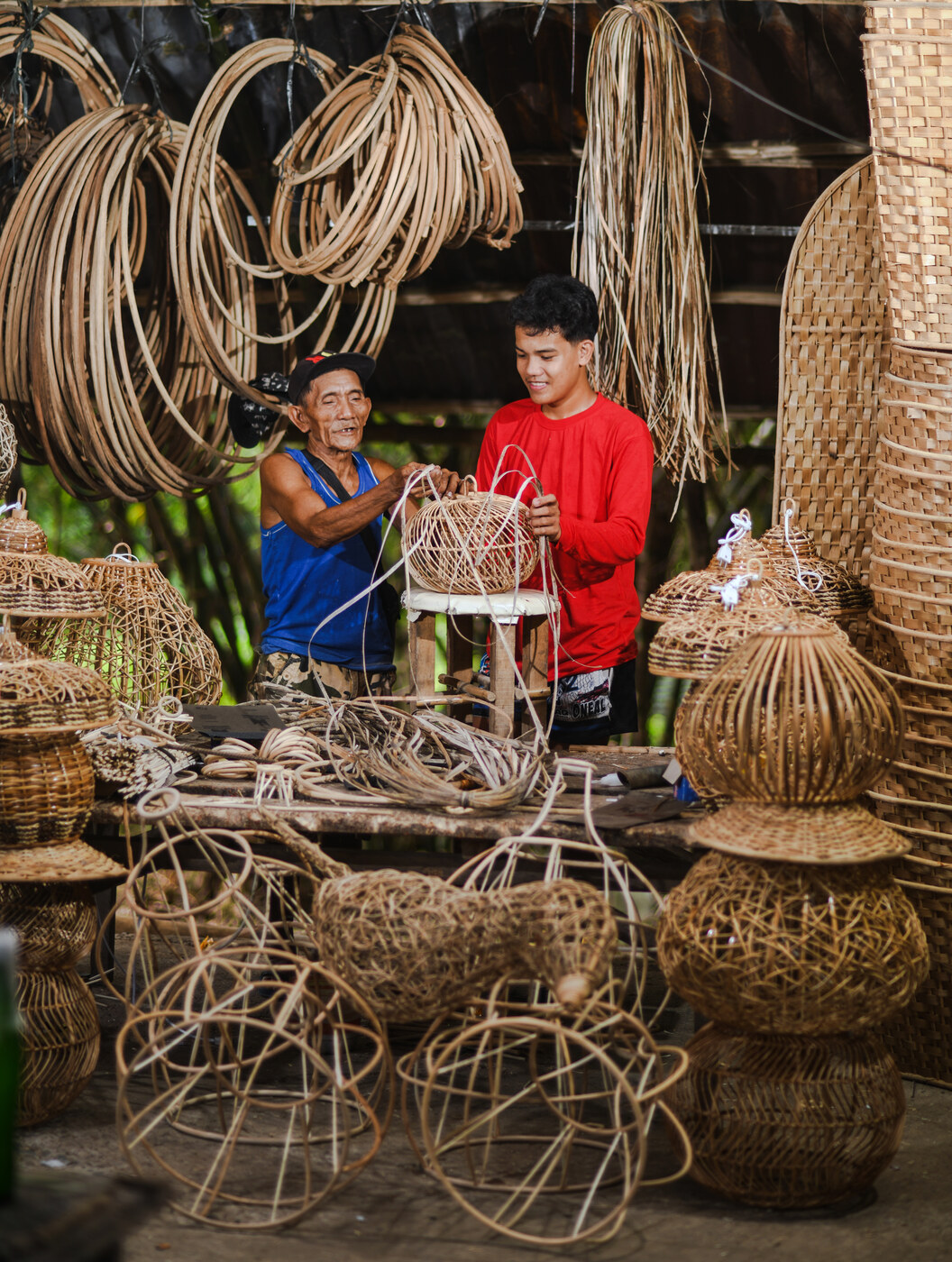
For businesses seeking a reliable and sustainable source of rattan, Indonesia’s community-based plantations offer a compelling solution. These plantations not only ensure the responsible harvesting of rattan but also empower local communities and promote environmental stewardship. By choosing rattan from these sources, companies can align their supply chains with ethical practices, meeting the growing demand for eco-friendly and socially responsible products.
The Role of Community-Based Plantations in Rattan Harvesting
Community-based plantations in Indonesia are pivotal in sustainable rattan harvesting. These plantations involve local communities in the cultivation and management of rattan, providing them with economic opportunities while ensuring environmental conservation. By engaging communities directly, these plantations foster a sense of ownership and responsibility towards the environment. This approach contrasts with conventional large-scale operations that often overlook local interests and environmental impacts. Through community-based models, rattan harvesting becomes a collaborative effort, balancing economic benefits with ecological sustainability. The Indonesian government supports these initiatives, recognising their role in preserving biodiversity and promoting rural development. For businesses, sourcing from these plantations means contributing to a sustainable supply chain and supporting local livelihoods, making it a strategic choice in today’s market.
Environmental Benefits of Sustainable Rattan Harvesting
Sustainable rattan harvesting offers significant environmental benefits. Rattan, a fast-growing vine, can be harvested without damaging the forest canopy, unlike traditional timber logging. This selective harvesting helps maintain forest cover, which is crucial for carbon sequestration and biodiversity. Community-based plantations further enhance these benefits by implementing practices that minimise soil erosion and protect water resources. Such efforts align with global sustainability goals, including those outlined by the United Nations. Businesses sourcing from these plantations can confidently market their products as eco-friendly, appealing to consumers increasingly aware of environmental issues. The environmental benefits of sustainable rattan harvesting make it an attractive option for companies committed to reducing their ecological footprint while maintaining product quality and supply chain reliability.
Economic Impact on Local Communities
Community-based rattan plantations significantly impact local economies in Indonesia. By involving local populations in the rattan supply chain, these plantations provide steady income and employment opportunities. This economic empowerment helps reduce poverty and improve living standards in rural areas. Moreover, it encourages skills development and entrepreneurship, as community members engage in various stages of rattan processing and marketing. The economic benefits extend beyond individual households, stimulating local commerce and infrastructure development. For businesses, partnering with community-based plantations offers a chance to support these positive economic changes while ensuring a reliable and sustainable rattan supply. This approach aligns with corporate social responsibility initiatives, enhancing brand reputation and customer loyalty.
Challenges and Opportunities in Sustainable Rattan Harvesting
While sustainable rattan harvesting presents numerous benefits, it also faces challenges. One significant challenge is ensuring consistent quality and supply amidst fluctuating market demands. Another is maintaining the delicate balance between economic development and environmental conservation. However, these challenges present opportunities for innovation and collaboration. By investing in research and technology, businesses can improve harvesting techniques and processing methods, ensuring higher quality and productivity. Collaborating with local communities and government agencies can also enhance regulatory compliance and access to new markets. These efforts can help overcome current obstacles, positioning sustainable rattan as a viable and attractive option for global markets.
Regulatory Framework Supporting Sustainable Rattan Harvesting
The regulatory framework in Indonesia supports sustainable rattan harvesting through various policies and initiatives. The Indonesian government has implemented measures to promote sustainable forest management, including rattan cultivation. These regulations aim to protect natural resources while encouraging economic growth. Compliance with these regulations is crucial for businesses involved in the rattan trade, ensuring legality and sustainability. For instance, the Ministry of Environment and Forestry oversees the issuance of permits and monitors compliance with environmental standards. Businesses sourcing rattan from Indonesia must adhere to these regulations, demonstrating their commitment to ethical practices and sustainable sourcing. Understanding and navigating the regulatory landscape is essential for companies seeking to establish a reputable presence in the rattan market.
Future Trends in Sustainable Rattan Harvesting
The future of sustainable rattan harvesting in Indonesia looks promising, with emerging trends shaping the industry. Increasing consumer demand for eco-friendly products is driving innovation in rattan cultivation and processing. Technological advancements, such as precision agriculture and digital marketing, are enhancing productivity and market reach. Moreover, global collaborations and partnerships are opening new opportunities for Indonesian rattan exporters. As sustainability becomes a central focus for businesses worldwide, the demand for ethically sourced rattan is expected to grow. Companies that position themselves as leaders in sustainable rattan sourcing will likely gain a competitive edge, attracting environmentally conscious consumers and partners. These trends highlight the potential for growth and development in the sustainable rattan industry.
Practical Steps for Businesses Sourcing Sustainable Rattan
Businesses looking to source sustainable rattan from Indonesia can take several practical steps to ensure ethical and reliable supply chains. First, they should identify and partner with community-based plantations committed to sustainable practices. Establishing direct relationships with these plantations can provide insights into their operations and ensure compliance with environmental and social standards. Second, businesses should stay informed about regulatory requirements and industry trends, leveraging resources such as the Indonesian Ministry of Trade and international trade organisations. Third, companies can invest in certifications and audits to verify the sustainability of their rattan products, enhancing transparency and customer trust. By taking these steps, businesses can secure a sustainable rattan supply, contributing to global sustainability efforts and meeting consumer expectations.
To learn more about sourcing indoor rattan furniture and other sustainable rattan products, visit our website or contact us directly. Our team is ready to assist you in navigating the sustainable rattan market and finding the right solutions for your business needs. Contact us today to explore how we can support your commitment to sustainability.
Related guide: Trends in Handcrafted Rattan Products
Keep Reading
Uncategorized
Large-Scale Hospitality Procurement of Bali Rattan for Resorts in 2027
In 2027, large-scale hospitality procurement of Bali rattan for resorts focuses on sustainable sourcing, custom designs, and efficient logistics, aligning…

Uncategorized
Hybrid Rattan and Steel Frame Sectional Sofas for Indoor and Outdoor Use in
Hybrid rattan and steel frame sectional sofas are a major trend for both indoor and outdoor settings in 2027. This…

Uncategorized
Bali Rattan Custom Design Trends for Japandi and Boho Luxury Villas in 2027
Bali Rattan Supplier identifies emerging trends in custom rattan design for Japandi and Boho luxury villas in 2027, focusing on…