
As a buyer in the rattan market, you need actionable insights into the industry’s current landscape and future trajectories. The demand for rattan products is soaring, buoyed by a global shift towards sustainable materials. Here, we delve into the market’s nuances, offering a clear picture of what to expect and how to navigate this ever-evolving sector.
Current Demand Trends in the Rattan Market
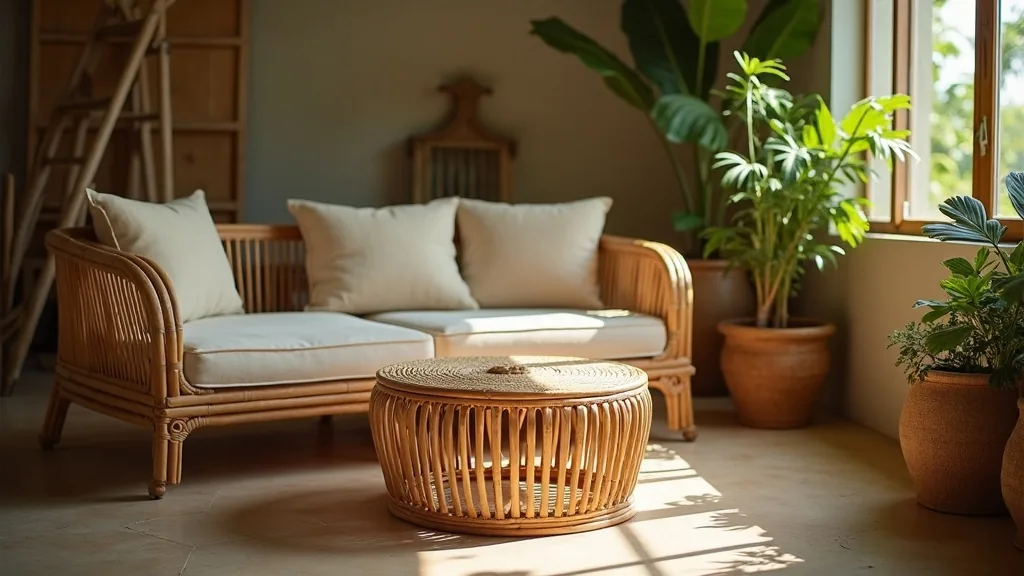
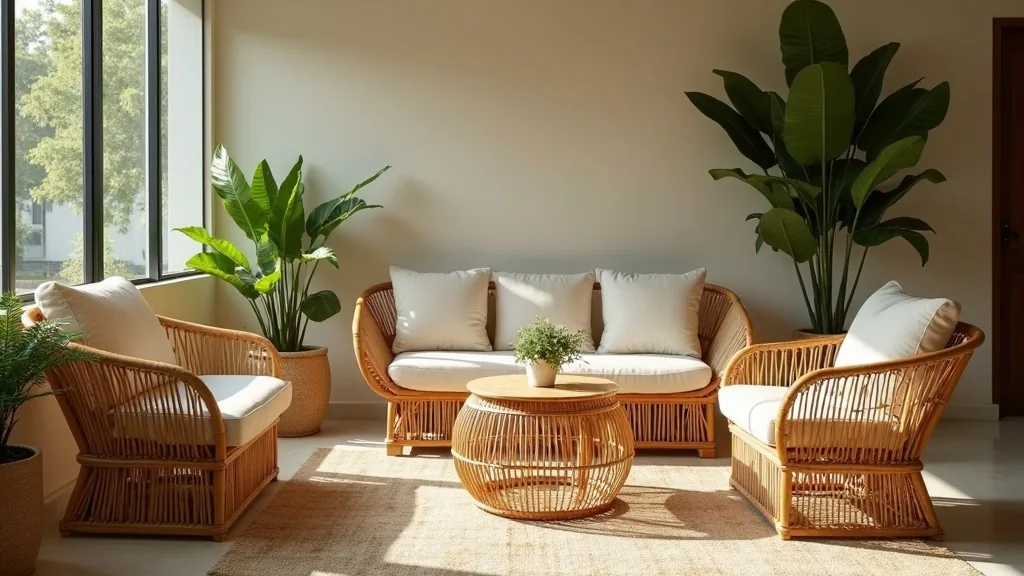
The rattan market is experiencing a notable uptick in demand, driven by the growing consumer preference for eco-friendly and sustainable products. This trend is particularly pronounced in regions like North America and Europe, where environmental consciousness is a significant purchasing factor. According to market analysis, the demand for rattan furniture, such as rattan chairs and tables, has increased by approximately 15% over the past year. Buyers are increasingly looking for products that offer not only aesthetic appeal but also minimal environmental impact.
The versatility of rattan as a material, suitable for both indoor and outdoor use, further enhances its market appeal. With applications ranging from rattan decor to functional furniture pieces, businesses are keen to capitalize on this trend. However, it is crucial to note that the supply chain disruptions, partly due to the ongoing geopolitical tensions, can affect availability and pricing. Buyers are advised to maintain close communication with suppliers to navigate these challenges effectively.
Future Outlook and Market Projections
Looking ahead, the rattan market is poised for continued growth, with projections indicating a compound annual growth rate (CAGR) of 5% over the next five years. This growth is underpinned by the increasing adoption of sustainable materials across various industries, including hospitality and retail. As a Bali rattan supplier, staying informed about these projections can help in strategic planning and inventory management.
Innovations in rattan processing and design are expected to further drive market expansion. The development of weather-resistant and UV-resistant rattan products is particularly promising, catering to the outdoor furniture segment’s needs. Additionally, the rise of the hospitality sector, with its demand for resort furniture, presents significant opportunities. Buyers should consider diversifying their product lines to include both traditional and contemporary rattan designs to capture a broader market share.
Sourcing and Supply Chain Considerations
Effective sourcing is critical in the rattan market, where quality can vary significantly. Buyers must seek suppliers with a proven track record of delivering high-quality, sustainable products. Engaging with an Indonesia rattan exporter offers access to some of the world’s finest rattan, renowned for its durability and aesthetic appeal.
However, the supply chain is not without its challenges. Fluctuations in raw material availability, influenced by factors such as climate change and regulatory changes, can impact supply. Buyers should establish robust relationships with suppliers and consider diversifying sourcing channels to mitigate risks. Additionally, understanding the intricacies of export logistics, including shipping schedules and customs regulations, is essential for timely and cost-effective procurement.
Product Diversification and Innovation
Diversification is a key strategy for staying competitive in the rattan market. While traditional furniture pieces remain popular, there is a growing demand for innovative products that blend rattan with other materials like teak and bamboo. This trend is particularly evident in the outdoor furniture segment, where durability and style are paramount.
Buyers should explore opportunities in emerging product categories such as rattan lighting and decor, which are gaining traction in both residential and commercial settings. Collaborating with designers to create unique, custom pieces can also set a business apart. Embracing technological advancements in product manufacturing, such as powder-coated frames for enhanced durability, can further enhance market positioning.
Sustainability and Ethical Considerations
Sustainability is at the forefront of the rattan market, with consumers increasingly favouring products that align with their environmental values. As a sustainable furniture supplier, ensuring that your products meet stringent environmental standards is crucial. This includes sourcing rattan from responsibly managed forests and adhering to ethical production practices.
Buyers should verify the sustainability credentials of their suppliers, looking for certifications that guarantee eco-friendly practices. The Indonesian government has initiatives in place to promote sustainable forestry, which can be a valuable resource for ensuring compliance. Engaging with suppliers who are committed to sustainability not only enhances brand reputation but also meets the growing consumer demand for ethically produced goods.
Regulatory and Compliance Requirements
Navigating the regulatory landscape is essential for any rattan export Indonesia business. Understanding the export permits, customs rules, and phytosanitary requirements is crucial for smooth operations. The Indonesian Ministry of Trade provides detailed guidelines that exporters must adhere to, ensuring compliance with both domestic and international regulations.
Buyers should also be aware of the specific requirements of their target markets, such as the European Union’s stringent import standards. Ensuring compliance not only facilitates seamless trade but also protects against potential legal issues. Regularly consulting with legal and trade experts can help businesses stay updated on regulatory changes and implement necessary adjustments to their operations.
Marketing Strategies for Rattan Products
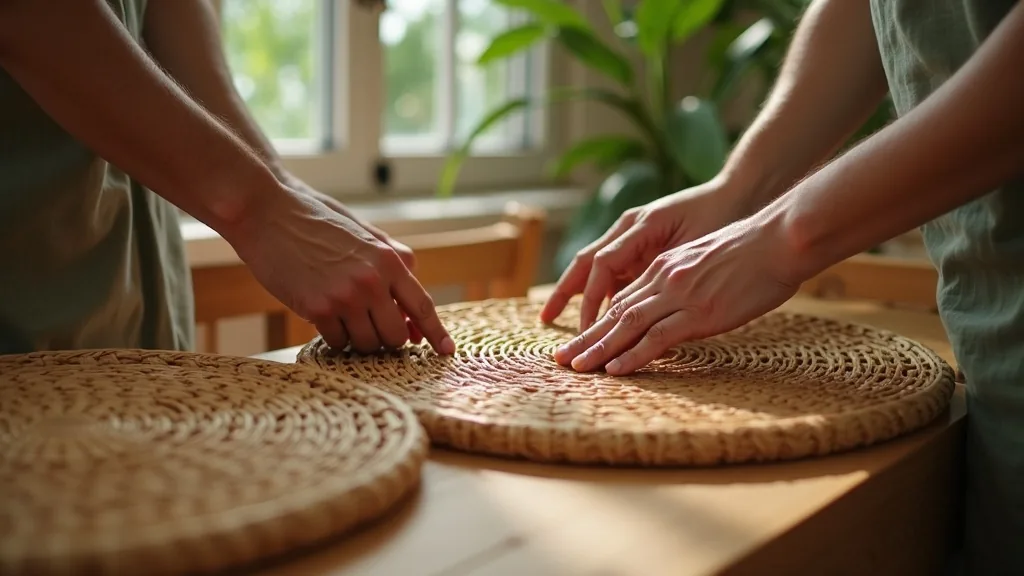
Effective marketing is pivotal in reaching potential buyers and expanding market presence. Businesses should leverage digital platforms to showcase their rattan products, utilizing visually appealing content that highlights the unique qualities of rattan furniture and decor. Social media, in particular, offers a dynamic space for engaging with consumers through interactive content such as live demonstrations, behind-the-scenes looks at production, and customer testimonials.
Collaborating with influencers who have a focus on sustainable living can also amplify brand visibility and credibility. Additionally, attending trade shows and industry events provides opportunities to connect with industry professionals and potential clients, allowing businesses to showcase their latest innovations and build strategic partnerships. Developing a comprehensive marketing plan that combines digital and traditional methods can effectively drive brand awareness and sales growth.
Challenges and Opportunities in the Rattan Market
While the rattan market presents significant opportunities, businesses must also navigate several challenges. Environmental regulations, fluctuating raw material prices, and changing consumer preferences require constant adaptation. However, these challenges also open doors to innovation, as companies develop new techniques and products to meet evolving demands.
Emerging markets in Asia and Africa present untapped potential for rattan products, with growing middle-class populations seeking affordable, stylish, and sustainable furniture options. Companies that can effectively tailor their offerings to these markets stand to gain a competitive edge. Moreover, investing in research and development to improve product quality and durability can lead to long-term success and customer loyalty.
Conclusion and Call to Action
The rattan market offers abundant opportunities for growth, driven by sustainable trends and diverse applications. As a buyer, staying informed about market dynamics and aligning with reputable suppliers is key to success. We encourage you to explore our comprehensive guides and connect with us for tailored solutions that meet your specific needs. For further enquiries, please contact us to discuss how we can support your business objectives in the rattan market.