AI Travel Planning for Bali Furniture Sourcing Trips: Itinerary Optimizatio

In the competitive world of furniture sourcing, efficiency and precision are paramount. Businesses seeking to source high-quality rattan furniture from Bali can now leverage AI travel planning to optimise their itineraries. This transformative technology enhances logistical coordination, allowing buyers to navigate the intricacies of the Indonesian rattan market with confidence and clarity.
Understanding AI Travel Planning for Furniture Sourcing
AI travel planning utilises advanced algorithms to create tailored itineraries for furniture sourcing trips. It considers multiple variables such as flight schedules, local transportation, and meeting arrangements, streamlining the entire process. For businesses looking to source rattan furniture in Bali, this means a more efficient use of time and resources. The technology analyses user preferences and past travel data to recommend optimal travel routes and schedules. This ensures that every minute spent in Indonesia is productive, focusing on visiting key suppliers and potential partners. With AI, companies can avoid common travel pitfalls, such as unexpected delays or logistical missteps, which can disrupt sourcing plans. While AI provides significant advantages, it is essential to remember that it complements, rather than replaces, human expertise and local insights. Engaging with local experts remains crucial to navigate cultural nuances and establish valuable business relationships.
Optimising Itineraries for Bali Furniture Sourcing
When planning a sourcing trip to Bali, optimising the itinerary is crucial for maximising productivity. AI can assist by suggesting the most efficient sequence of supplier visits, considering factors like geographical proximity and supplier availability. For instance, starting the day by visiting a major rattan supplier in Denpasar and then moving to smaller artisan workshops in Ubud can save time and reduce travel fatigue. AI tools can also schedule meetings and factory tours to align with the supplier’s operational hours, ensuring no time is wasted waiting for appointments. Moreover, AI can highlight potential traffic patterns or local events that might impact travel times, allowing businesses to adjust their plans accordingly. However, while AI provides a framework, flexibility is key. Unexpected opportunities or challenges may arise, and being prepared to adapt the itinerary is essential for successful sourcing.
Leveraging AI for Supplier Evaluation
AI technology can enhance supplier evaluation by analysing data on production capacity, quality assurance, and compliance with international trade standards. For businesses sourcing rattan furniture, understanding these factors is vital to ensure that suppliers meet specific requirements. AI can provide insights into a supplier’s historical performance, customer feedback, and market reputation. This information helps buyers make informed decisions about which suppliers to engage with. Moreover, AI tools can assist in assessing the sustainability practices of suppliers, a growing concern in the global market. By evaluating a supplier’s adherence to eco-friendly production methods, businesses can align their sourcing strategies with their sustainability goals. While AI offers valuable data-driven insights, visiting suppliers in person remains critical to verify facilities and build trust.
Integrating Local Insights with AI Planning
While AI provides a robust framework for planning, integrating local insights is essential for a successful sourcing trip. Local experts can offer invaluable advice on cultural practices, negotiation tactics, and market trends. For example, understanding the peak production seasons for rattan in Bali can influence purchasing decisions and inventory planning. Additionally, local contacts can facilitate introductions to key industry players and help navigate language barriers. Combining AI’s analytical capabilities with local expertise ensures a comprehensive approach to furniture sourcing. This integration allows businesses to harness technology’s efficiency while capitalising on human intuition and relationships, creating a balanced strategy that maximises sourcing success.
Navigating Indonesian Trade Regulations with AI
Navigating the complexities of Indonesian trade regulations is a crucial aspect of furniture sourcing. AI planning tools can assist by providing up-to-date information on export permits, customs rules, and compliance requirements. For instance, understanding the necessary phytosanitary certificates for rattan export can prevent costly delays at customs. AI can also alert businesses to any changes in trade policies or import tariffs that could impact sourcing decisions. However, while AI provides a valuable overview, consulting with trade experts or legal advisors is essential for compliance. They can offer detailed guidance and ensure that all regulatory requirements are met, safeguarding the sourcing process from potential legal issues.
Ensuring Sustainable Sourcing with AI
Sustainability is a critical consideration for many businesses sourcing rattan furniture. AI can play a pivotal role in ensuring sustainable sourcing by analysing supplier data for eco-friendly practices. This includes evaluating the use of sustainable materials, energy-efficient production methods, and waste reduction initiatives. AI tools can also assess the traceability of materials, ensuring that they are sourced ethically and legally. By prioritising suppliers who demonstrate a commitment to sustainability, businesses can enhance their brand reputation and meet consumer demand for environmentally responsible products. However, while AI provides valuable insights, verifying sustainability claims through site visits and third-party audits remains essential.
Maximising ROI with AI-Optimised Sourcing Trips
AI-optimised sourcing trips offer significant potential for maximising return on investment (ROI). By reducing travel time, enhancing supplier evaluations, and ensuring compliance with trade regulations, businesses can achieve more during their trips. AI tools can also help identify cost-saving opportunities, such as consolidating shipments or negotiating favourable contract terms. Additionally, AI can monitor market trends and demand forecasts, enabling businesses to make strategic purchasing decisions. However, achieving optimal ROI requires a careful balance of technology and human expertise. Engaging with local partners, adapting to on-the-ground realities, and maintaining flexibility are crucial components of a successful sourcing strategy.
Conclusion: Embracing AI for Bali Furniture Sourcing
Incorporating AI into travel planning for Bali furniture sourcing trips offers numerous benefits, from optimised itineraries to enhanced supplier evaluations. As the global market becomes increasingly competitive, leveraging technology to streamline sourcing processes is essential. Businesses can gain a significant advantage by integrating AI with local insights and expertise. For those interested in exploring high-quality outdoor rattan furniture options, reaching out to experienced suppliers is the first step. To discuss your specific needs and how we can assist with your sourcing trip, please contact us today.
Related guide: Rattan Furniture for Resort Settings
Keep Reading

Uncategorized
Large-Scale Hospitality Procurement of Bali Rattan for Resorts in 2027
In 2027, large-scale hospitality procurement of Bali rattan for resorts focuses on sustainable sourcing, custom designs, and efficient logistics, aligning…
Uncategorized
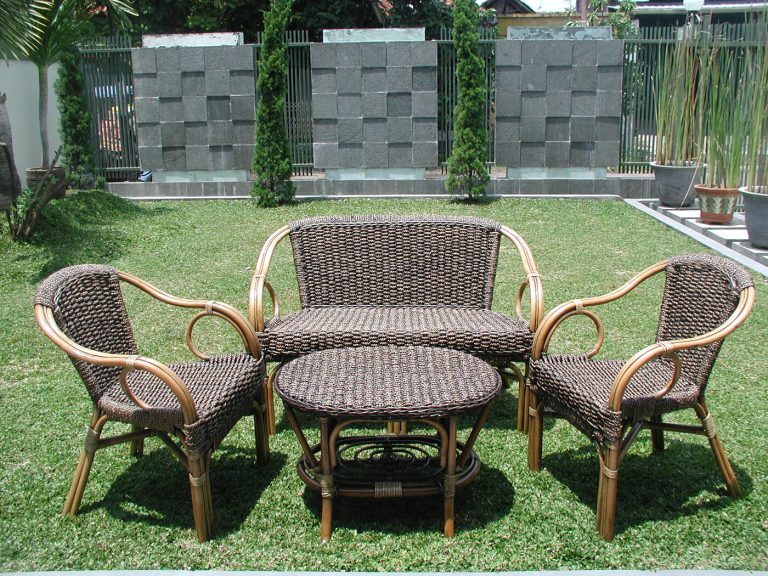
Hybrid Rattan and Steel Frame Sectional Sofas for Indoor and Outdoor Use in
Hybrid rattan and steel frame sectional sofas are a major trend for both indoor and outdoor settings in 2027. This…
Uncategorized
Bali Rattan Custom Design Trends for Japandi and Boho Luxury Villas in 2027
Bali Rattan Supplier identifies emerging trends in custom rattan design for Japandi and Boho luxury villas in 2027, focusing on…