Carbon Footprint Reporting for Indonesia Rattan Exports in 2027
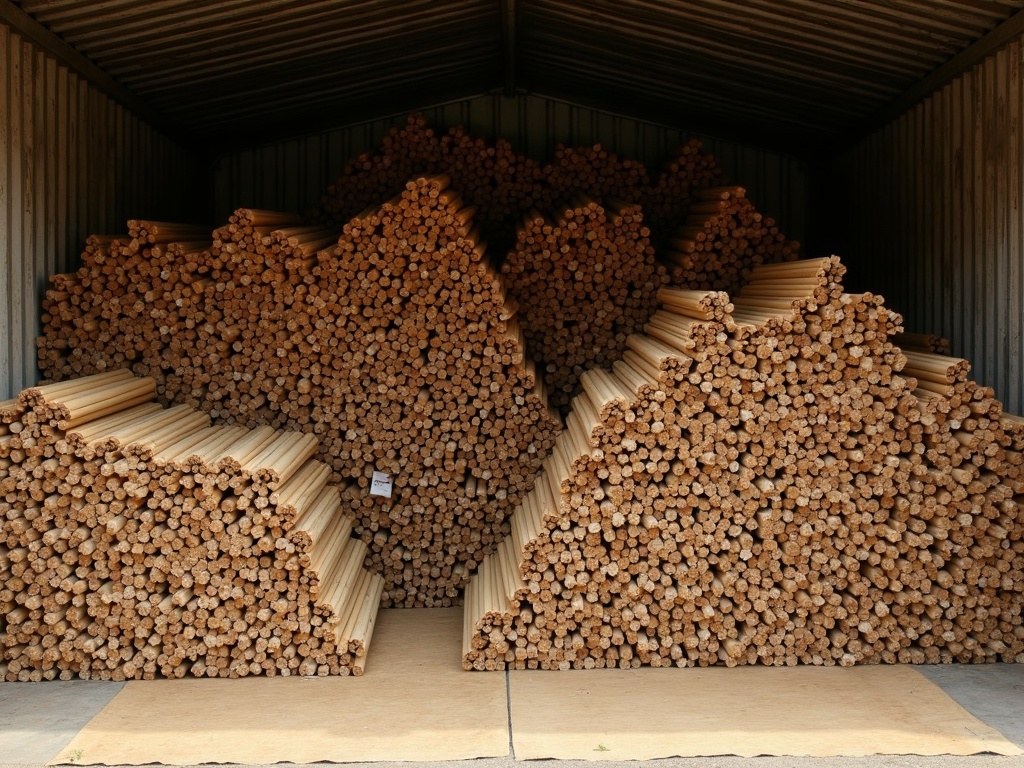
In 2027, the landscape for Indonesia’s rattan exports is evolving rapidly. Buyers are seeking not only quality but also sustainability in their supply chains. Carbon footprint reporting has become a pivotal aspect of this transformation. For rattan suppliers and exporters, including those in Bali, Flores, and Komodo, understanding and implementing these practices is vital to maintaining competitive advantage.
The Importance of Carbon Footprint Reporting
Carbon footprint reporting is now a crucial component for rattan exporters in Indonesia. It involves quantifying the greenhouse gas emissions associated with the lifecycle of rattan products. This reporting is not merely a regulatory requirement but also a strategic advantage. Buyers in regions like the EU and the US increasingly prefer suppliers who demonstrate environmental responsibility. Rattan exporters must track emissions from harvesting, processing, and transportation. This data helps them identify areas for improvement and communicate their sustainability efforts to clients. Without this transparency, suppliers risk losing business to competitors who can prove their eco-friendly credentials. As a result, carbon footprint reporting is not just about compliance; it’s about positioning in a market that values sustainability.
Steps to Implement Carbon Footprint Reporting
Implementing carbon footprint reporting involves several key steps. First, rattan suppliers need to conduct a comprehensive audit of their operations. This involves assessing emissions across various stages, from raw material extraction to shipping. Next, they should adopt international standards such as the Greenhouse Gas Protocol to ensure consistency and reliability in reporting. Engaging with local environmental consultants can provide valuable insights and aid in accurate data collection. Additionally, investing in technology to monitor emissions in real-time can enhance reporting accuracy. Suppliers should also consider collaborating with their logistics partners to optimise transport routes and reduce emissions. Regularly reviewing and updating these practices ensures alignment with evolving regulations and market expectations.
Challenges and Opportunities in Reporting
While carbon footprint reporting presents challenges, it also offers significant opportunities. One of the main challenges is the need for reliable data and the expertise to interpret it. Many rattan suppliers may lack the resources to conduct detailed audits. However, this challenge is an opportunity to innovate. By embracing technology and collaborating with environmental experts, suppliers can enhance their reporting capabilities. Moreover, transparent reporting can open doors to new markets and partnerships. Buyers today are willing to pay a premium for products that align with their sustainability goals. Therefore, overcoming these challenges not only mitigates risks but also positions suppliers as leaders in the eco-friendly market segment.
Current Developments in Indonesian Rattan Exports
Indonesia remains a leading exporter of rattan, with Bali and Flores being key hubs. The government is actively promoting sustainable practices to boost the sector’s global competitiveness. Recent policy initiatives focus on reducing deforestation and promoting the use of legal wood. These regulations align with international demands for sustainable sourcing. Rattan suppliers are encouraged to obtain certifications that verify the eco-friendliness of their products. Collaborations with NGOs and industry associations are also on the rise, helping companies meet international standards. As the industry evolves, suppliers who adapt to these changes will find themselves better positioned in the global market.
Sustainability in Rattan Production
Sustainability is at the core of rattan production in Indonesia. Suppliers are increasingly adopting practices that minimise environmental impact. This includes using natural dyes and reducing waste during processing. The focus is also on the sustainable harvesting of rattan to ensure long-term availability. Suppliers are investing in reforestation projects to replenish natural resources. Moreover, the integration of renewable energy in production facilities is gaining traction. These efforts not only reduce the carbon footprint but also enhance the overall quality of rattan products. By prioritising sustainability, suppliers can meet the growing demand for eco-friendly products in international markets.
The Role of Technology in Reducing Carbon Footprint
Technology plays a pivotal role in reducing the carbon footprint of rattan exports. Advanced analytics and IoT devices allow suppliers to monitor emissions in real-time. This data provides insights into areas where efficiency can be improved. For instance, optimising production processes and logistics can significantly reduce energy consumption. Additionally, blockchain technology is being explored to enhance traceability and transparency in the supply chain. This innovation helps in verifying the sustainability credentials of rattan products. As technology continues to evolve, it offers rattan suppliers new tools to meet environmental standards and improve operational efficiency.
Future Trends in Rattan Export Reporting
Looking ahead, the future of rattan export reporting lies in increased transparency and integration of advanced technologies. Blockchain and AI are expected to play significant roles in ensuring accurate and real-time reporting. These technologies will facilitate seamless data sharing across the supply chain, enhancing trust among stakeholders. Moreover, as global regulations tighten, there will be a greater emphasis on third-party audits and certifications. Suppliers who proactively adopt these trends will not only comply with regulations but also enhance their market appeal. The shift towards sustainability is not just a passing trend but a fundamental change in how business is conducted in the rattan industry.
For more insights into sustainable practices and artisanal rattan products, visit our artisanal rattan products page. To enhance your understanding of Indonesia’s rattan exports, consider exploring resources from the Indonesian Ministry of Trade and Indonesia Travel.
To learn more about how we can help you navigate carbon footprint reporting for your rattan exports, please contact us. Our team is ready to assist you in making your supply chain more sustainable and competitive.
Related guide: Insights into the Rattan Market
Keep Reading

Uncategorized
Large-Scale Hospitality Procurement of Bali Rattan for Resorts in 2027
In 2027, large-scale hospitality procurement of Bali rattan for resorts focuses on sustainable sourcing, custom designs, and efficient logistics, aligning…
Uncategorized
Hybrid Rattan and Steel Frame Sectional Sofas for Indoor and Outdoor Use in
Hybrid rattan and steel frame sectional sofas are a major trend for both indoor and outdoor settings in 2027. This…

Uncategorized
Bali Rattan Custom Design Trends for Japandi and Boho Luxury Villas in 2027
Bali Rattan Supplier identifies emerging trends in custom rattan design for Japandi and Boho luxury villas in 2027, focusing on…