Rattan vs. Wicker: What’s the Difference?
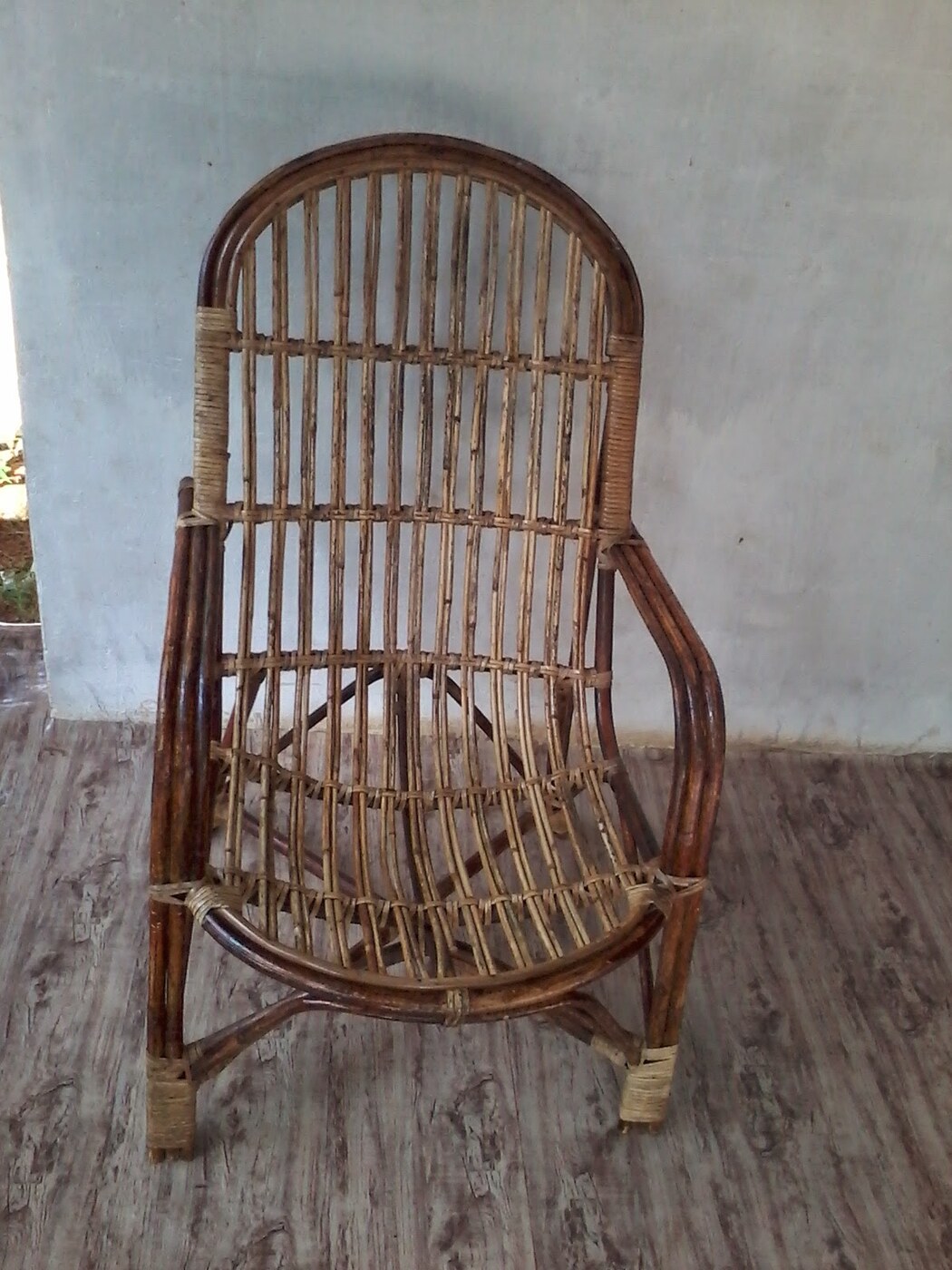
In the world of furniture and decor, understanding the difference between rattan and wicker can significantly influence your purchasing decisions. As a seasoned buyer, knowing these distinctions ensures you select the right material for your needs, whether sourcing for a high-end resort or a boutique retail outlet. This guide provides an in-depth exploration of rattan versus wicker, equipping you with the knowledge to make informed choices.
Understanding Rattan: A Natural Material
Rattan is a natural vine-like plant commonly found in the tropical rainforests of Southeast Asia, notably Indonesia, which is a leading exporter. This material is known for its strength, flexibility, and lightweight nature, making it ideal for furniture manufacturing. Rattan’s solid core allows it to be bent and shaped without breaking, offering versatility in design. Its natural colour varies from light to dark brown, but it can be stained or painted to match different aesthetics. For buyers seeking eco-friendly options, rattan is a sustainable choice due to its rapid growth rate and minimal environmental impact during harvesting. When considering rattan for your projects, ensure it is sourced responsibly. For more on sustainable sourcing, visit the Indonesian Government’s official website.
Wicker: The Weaving Technique
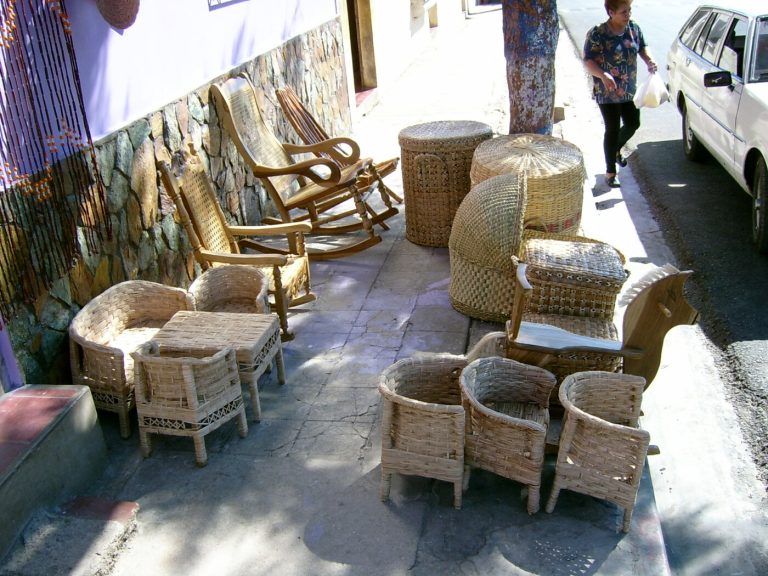
Unlike rattan, wicker is not a material but a method of weaving. This technique can be applied to various materials, including rattan, bamboo, and synthetic fibres. Wicker weaving involves intertwining materials to create intricate patterns, often used in furniture and decor items. This method is prized for its aesthetic appeal and the ability to craft complex designs. However, wicker furniture’s durability depends on the material used in the weaving. Natural rattan wicker offers a classic look but requires maintenance to prevent wear from environmental factors. Synthetic wicker, on the other hand, provides weather resistance and is ideal for outdoor settings. When selecting wicker products, consider the environment where they will be used to ensure longevity.
Choosing Between Natural and Synthetic Rattan
Natural rattan and synthetic rattan each have their advantages and limitations. Natural rattan, being eco-friendly, is preferred for indoor furniture and decor due to its aesthetic appeal and sustainability. However, it may not withstand prolonged exposure to elements like rain and UV rays. Conversely, synthetic rattan is made from materials like polyethylene, offering superior resistance to outdoor conditions. It retains the natural look of rattan while being more durable and easy to maintain. For outdoor projects, synthetic rattan is often the better choice. When sourcing, ask suppliers about the specific material composition and durability tests. More details on material options can be found on our guides page.
Key Differences for Buyers: Rattan vs Wicker
Understanding the differences between rattan and wicker is crucial for buyers. Rattan is a raw material, while wicker refers to the weaving style. This distinction affects aspects like durability, maintenance, and suitability for various environments. For example, a piece of furniture made from rattan wicker will have the natural beauty of rattan with the intricate design of wicker. However, it will require protection from moisture and sun exposure. Wicker made from synthetic materials offers more resilience for outdoor use. Buyers should consider not only the aesthetic but also the practical implications of their choices. For more insights into choosing the right products, visit our artisanal rattan products page.
Applications in Hospitality and Retail
Rattan and wicker furniture are popular in hospitality and retail settings due to their versatility and aesthetic appeal. In hotels and resorts, rattan furniture provides a tropical, relaxed atmosphere, making it a preferred choice for poolside and patio settings. For retail, wicker baskets and decor add a rustic charm to displays. When selecting furniture for hospitality projects, consider the environment: natural rattan for indoor use and synthetic wicker for outdoor spaces. Retailers should focus on the visual impact and durability of products, ensuring they meet customer preferences. For more on hospitality procurement, check the Indonesia Tourism website for industry trends.
Maintenance and Longevity
Proper maintenance extends the lifespan of both rattan and wicker furniture. Natural rattan requires regular cleaning with a damp cloth and occasional varnishing to protect against humidity and insects. Synthetic wicker is easier to maintain; it can be washed with mild soap and water. For both types, avoid prolonged exposure to direct sunlight to prevent fading and brittleness. Consider investing in protective covers for outdoor furniture to shield against harsh weather. Regular maintenance not only enhances longevity but also preserves the aesthetic appeal of your furniture. For specific maintenance tips, consult your supplier or visit our guides page for detailed care instructions.
Cost Considerations and Sourcing
Cost is a significant factor when choosing between rattan and wicker. Natural rattan is generally more expensive due to its sourcing and craftsmanship, but it offers a timeless appeal and sustainability. Synthetic wicker, while more affordable, provides durability and flexibility in design. When sourcing, consider the total cost of ownership, including maintenance and longevity. Buyers should request indicative pricing from suppliers and confirm details based on project requirements. Sourcing from reputable suppliers ensures quality and compliance with trade standards. For more on sourcing strategies, visit our contact page to discuss your requirements with our experts.
Innovations in Rattan and Wicker Design
The furniture industry continually evolves, and rattan and wicker are no exceptions. Recent innovations have seen these materials being incorporated into modern, sleek designs that appeal to contemporary tastes. Designers are experimenting with bold shapes and vibrant colors, blending traditional craftsmanship with modern aesthetics. This evolution has expanded rattan and wicker’s applications beyond traditional settings, making them suitable for urban apartments and chic office spaces. These new designs not only enhance visual appeal but also offer functional benefits, such as modular pieces that can be adapted to various spaces. For businesses looking to stay ahead of trends, investing in innovative rattan and wicker designs can differentiate their offerings in the competitive market.
Environmental Impact and Sustainable Practices
The environmental impact of furniture production is a growing concern, and rattan offers a sustainable alternative. The fast-growing nature of rattan reduces deforestation pressure on hardwood forests. Additionally, responsible harvesting practices ensure minimal disruption to ecosystems. Many manufacturers are now adopting eco-friendly practices, such as using water-based stains and non-toxic varnishes, to further reduce environmental impact. As consumer awareness grows, there is increasing demand for sustainably sourced products. Businesses that prioritize sustainability not only contribute positively to the environment but also appeal to eco-conscious consumers. For more on our commitment to sustainability, explore our sustainability page.
Choosing the right material for your needs involves understanding the unique properties of rattan and wicker. When sourcing for a commercial project or retail offering, we can provide the expertise and quality products you need. Contact us today to explore our range of rattan and wicker solutions tailored to your business.
Keep Reading

Rattan Market Insights
Advantages of Indonesian Rattan Products
Indonesian rattan products are renowned for their superior quality and craftsmanship, making them a preferred choice for buyers worldwide. The…
Rattan Market Insights
Insights into the Rattan Market
The rattan market is dynamic, driven by sustainable trends and versatile applications. As a leading rattan supplier, understanding demand trends…

Rattan Market Insights
Trends in Handcrafted Rattan Products
“Handcrafted rattan trends are reshaping interior design with their versatility and sustainable appeal. Bali Rattan Supplier is at the forefront,…