Exporting Rattan Products: What to Know
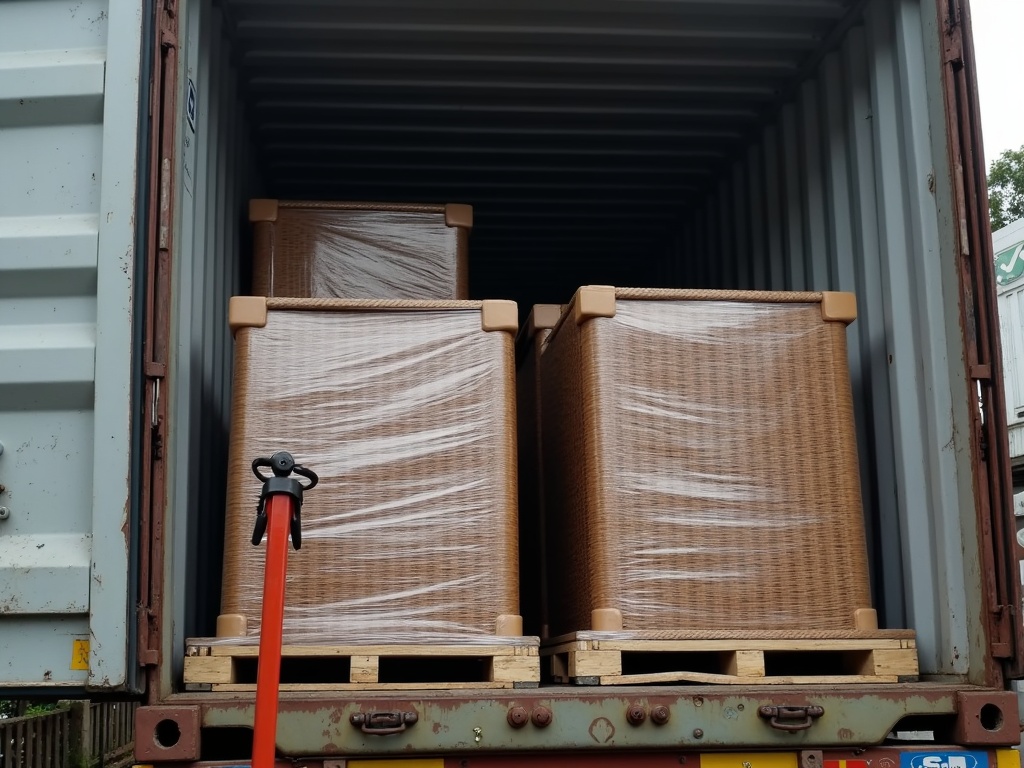
For those in the business of importing rattan products, understanding the nuances of rattan export from Indonesia is crucial. As a seasoned rattan exporter, we at Bali Rattan Supplier are committed to providing our clients with the highest quality rattan products while ensuring a smooth and efficient export process. Our experience in this industry positions us uniquely to offer comprehensive insights and rattan export services to meet your business needs.
Understanding Rattan Export Markets
Rattan products enjoy significant demand across various markets, including Europe, the United States, and Australia. Each market has unique preferences and regulatory requirements. European buyers might favour sustainable and ethically sourced rattan, while American markets often demand innovative designs. Understanding these preferences is crucial for a successful export strategy. Engage with market research to identify trends and customer preferences in each region. This knowledge allows you to tailor your product offerings accordingly, ensuring you meet the specific needs of each market.
Additionally, it’s essential to stay updated on import regulations, including quality standards and certification requirements. The European Union, for instance, has stringent controls on the import of natural materials and requires compliance with phytosanitary standards. Partnering with a knowledgeable rattan exporter ensures that all necessary documentation and certifications are in place, preventing costly delays.
Choosing the Right Rattan Products
When exporting rattan, selecting the right products is key to meeting market demands. Rattan furniture, such as chairs, tables, and sofas, is popular in both indoor and outdoor settings. Products like rattan baskets, trays, and decor items are also in high demand for their aesthetic appeal and functionality.
Consider offering a mix of natural and synthetic rattan to cater to diverse customer preferences. Natural rattan is prized for its eco-friendly properties and unique texture, while synthetic rattan offers durability and weather resistance. Additionally, explore niche products like rattan pole export and custom furniture options to attract a broader clientele. By diversifying your product range, you can tap into different market segments, increasing your export potential.
Mastering Logistics and Supply Chain
Efficient logistics and supply chain management are critical components of a successful rattan export business. Indonesia’s strategic location offers access to major shipping routes, facilitating global trade. However, challenges such as port congestion and variable shipping costs can impact delivery times and pricing.
Work closely with logistics providers to optimise shipping routes and schedules. Consider using Incoterms like FOB (Free on Board) to clearly define responsibilities and costs between buyers and sellers. It’s also important to account for potential delays and buffer your timelines accordingly.
Regular communication with your logistics partners ensures that you are informed of any changes or disruptions, allowing you to adjust your plans proactively. Leveraging technology, such as supply chain management software, can further enhance your efficiency and competitiveness in the rattan export market.
Ensuring Compliance and Quality Standards
Compliance with international quality standards is non-negotiable in the rattan export industry. Buyers expect high-quality, durable products that meet specific safety and environmental standards. This is where a reliable Bali rattan supplier can make a significant difference.
Invest in quality control processes to ensure that your rattan products meet or exceed customer expectations. This includes inspecting raw materials, manufacturing processes, and finished goods before shipment. Partnering with third-party certification bodies can provide additional assurance to buyers, demonstrating your commitment to quality and compliance.
Additionally, adhere to environmental regulations and promote sustainable sourcing practices. This not only helps in meeting compliance requirements but also enhances your brand’s reputation in the eyes of environmentally conscious consumers.
Navigating Export Documentation
Exporting rattan products involves a complex array of documentation, including invoices, packing lists, and certificates of origin. Each document must be meticulously prepared to avoid customs issues and ensure smooth transit.
Understanding the specific documentation requirements of your target market is essential. For instance, the European Union requires detailed phytosanitary certificates for natural rattan products to prevent the spread of pests. Similarly, different countries may have varying requirements for import permits and declarations.
Engage with experienced export professionals or consultants who can guide you through the documentation process. Their expertise can help you avoid common pitfalls and ensure that all paperwork is accurate and complete, facilitating a hassle-free export experience.
Building Strong Buyer Relationships
Strong relationships with buyers are the cornerstone of a successful rattan export business. Regular communication and transparency build trust and foster long-term partnerships. Keep buyers informed about production timelines, potential delays, and any changes in product specifications.
Offer flexibility in terms of product customisation and order quantities. This can be particularly attractive to buyers looking for unique designs or those with specific project requirements. Providing exceptional customer service and post-sale support further strengthens your relationship with buyers, encouraging repeat business and referrals.
Utilise digital communication tools and platforms to maintain regular contact with your buyers, providing them with updates and addressing any concerns promptly. A strong buyer relationship can be a significant competitive advantage in the crowded rattan export market.
Emphasising Sustainability and Ethical Practices
In today’s market, sustainability and ethical sourcing are increasingly important to buyers. Highlight your commitment to these values by sourcing rattan from sustainable plantations and adhering to fair trade practices. This not only meets consumer demand but also contributes to the long-term viability of the rattan industry.
Implementing sustainable practices can include reducing waste, using eco-friendly packaging, and minimising carbon emissions during production and shipping. These efforts can enhance your brand image and attract environmentally conscious buyers.
Additionally, consider obtaining certifications that validate your sustainable practices, such as FSC (Forest Stewardship Council) certification. This can provide an added layer of assurance to buyers and differentiate your products in the marketplace.
Innovations in Rattan Design
Keeping abreast of the latest design trends is crucial for staying competitive in the rattan market. Innovations in rattan design can include integrating modern aesthetics with traditional craftsmanship, which can appeal to a wider audience. For example, incorporating minimalist design elements or using bold colors can attract younger consumers looking for contemporary home decor.
Collaborating with designers and architects can open up new avenues for product development, allowing you to offer exclusive collections that stand out in the market. This approach not only enhances the aesthetic appeal of your products but also adds functional value, such as modular furniture that can adapt to various spaces.
Consider investing in design workshops or partnering with design schools to foster innovation within your production team. This can lead to unique product offerings that not only meet existing demands but also create new markets for your rattan products.
Utilising Digital Marketing Strategies
In an increasingly digital world, leveraging online marketing strategies is essential for expanding your reach and increasing sales. Develop a comprehensive digital marketing plan that includes search engine optimisation (SEO), social media marketing, and pay-per-click advertising to attract potential buyers.
Creating engaging content, such as blog posts, videos, and infographics about your rattan products, can help educate consumers and establish your brand as an industry leader. Additionally, maintaining an active presence on platforms like Instagram and Pinterest can showcase your products visually, attracting design enthusiasts and potential buyers.
Utilise email marketing to keep your audience informed about new products, promotions, and industry insights. Personalised email campaigns can enhance customer engagement and drive repeat business. By effectively utilising digital marketing strategies, you can significantly boost your brand’s visibility and market reach.
Ready to explore the opportunities in the rattan export market? Contact us today to learn how Bali Rattan Supplier can support your business with quality products and expert guidance.
Keep Reading
Rattan Market Insights
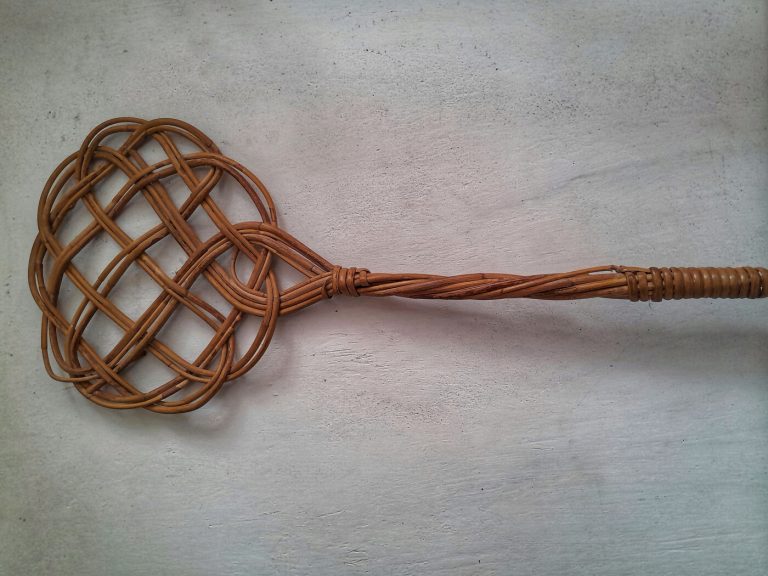
Advantages of Indonesian Rattan Products
Indonesian rattan products are renowned for their superior quality and craftsmanship, making them a preferred choice for buyers worldwide. The…
Rattan Market Insights
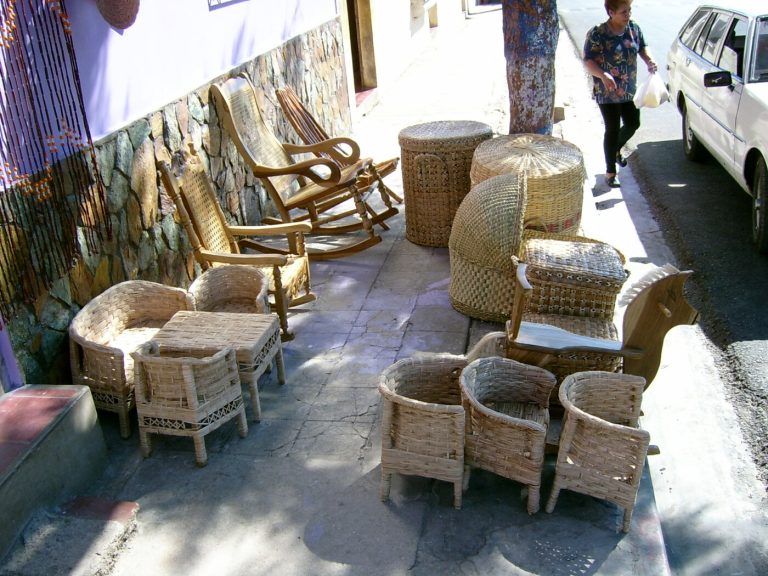
Insights into the Rattan Market
The rattan market is dynamic, driven by sustainable trends and versatile applications. As a leading rattan supplier, understanding demand trends…

Rattan Market Insights
Trends in Handcrafted Rattan Products
“Handcrafted rattan trends are reshaping interior design with their versatility and sustainable appeal. Bali Rattan Supplier is at the forefront,…