Rattan, a climbing palm found in tropical regions, is a staple in the production of furniture and decor. For buyers seeking a reliable rattan supplier, understanding the different rattan materials is crucial. Our expertise as a Bali rattan supplier ensures that you receive high-quality rattan, meticulously sourced and crafted to meet global standards. From natural to synthetic, each type of rattan presents unique benefits, making them suitable for various applications in the hospitality and retail sectors.
Natural Rattan: Characteristics and Uses
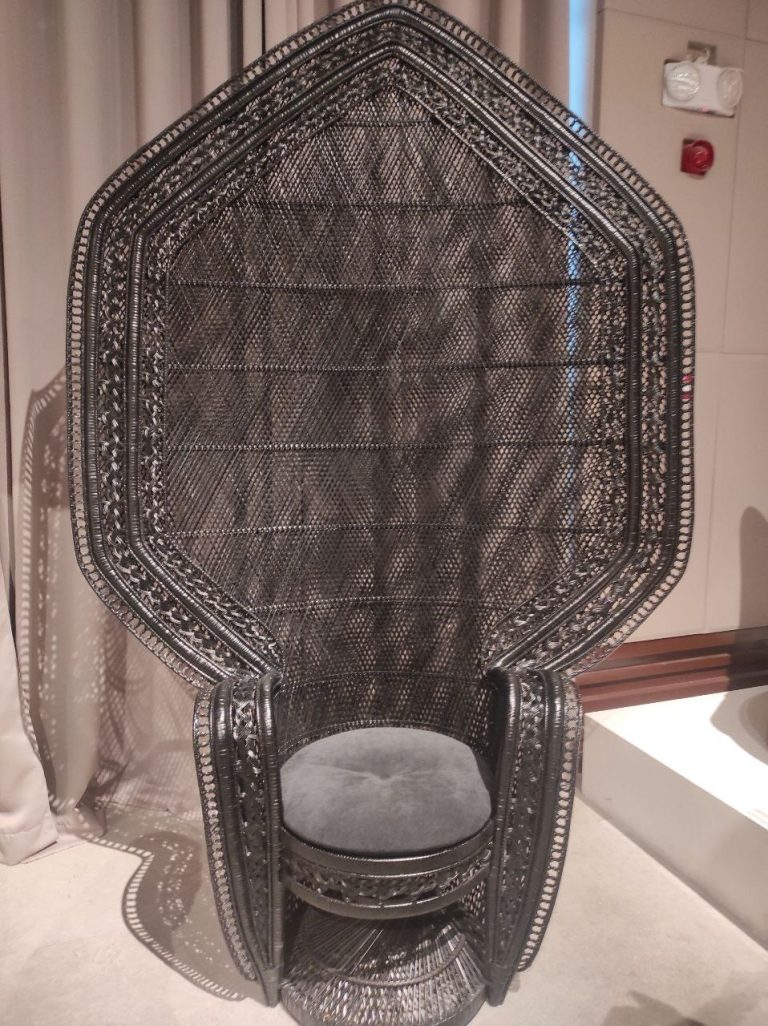
Natural rattan is renowned for its strength and flexibility, making it a preferred choice for indoor furniture. Its lightweight yet durable nature allows for the creation of intricate designs without compromising on sturdiness. Commonly used in rattan furniture wholesale, natural rattan is ideal for crafting chairs, tables, and sofa frames. The core of the rattan is used in making sturdy furniture pieces, while the outer skin, or cane, is often woven into decorative elements. While natural rattan is less suited for prolonged outdoor use due to susceptibility to moisture, it remains a top choice for indoor applications. Buyers should note that natural rattan requires proper treatment and maintenance to prolong its lifespan. For those interested in sustainable rattan export, it is imperative to verify the sourcing practices to ensure compliance with environmental standards. More information on sustainable practices can be found at the Indonesian Government Portal.
Synthetic Rattan: Advantages and Applications
Synthetic rattan, also known as PE rattan, is engineered to withstand harsh weather conditions, making it an excellent choice for outdoor furniture. Manufactured from polyethylene, synthetic rattan is UV resistant and water-repellent, ensuring longevity and ease of maintenance. This material is often utilised in resort furniture supplier offerings, providing a stylish yet durable option for beachfront and poolside settings. While synthetic rattan mimics the aesthetic of natural rattan, it offers enhanced durability, reducing the need for frequent replacements. However, potential buyers should be aware of the varying quality levels in the market. It is crucial to source from reputable suppliers to ensure the material’s longevity and environmental impact. For more on quality assurance, refer to the International Trade Centre.
Peeled Rattan Cane: Aesthetic Enhancements
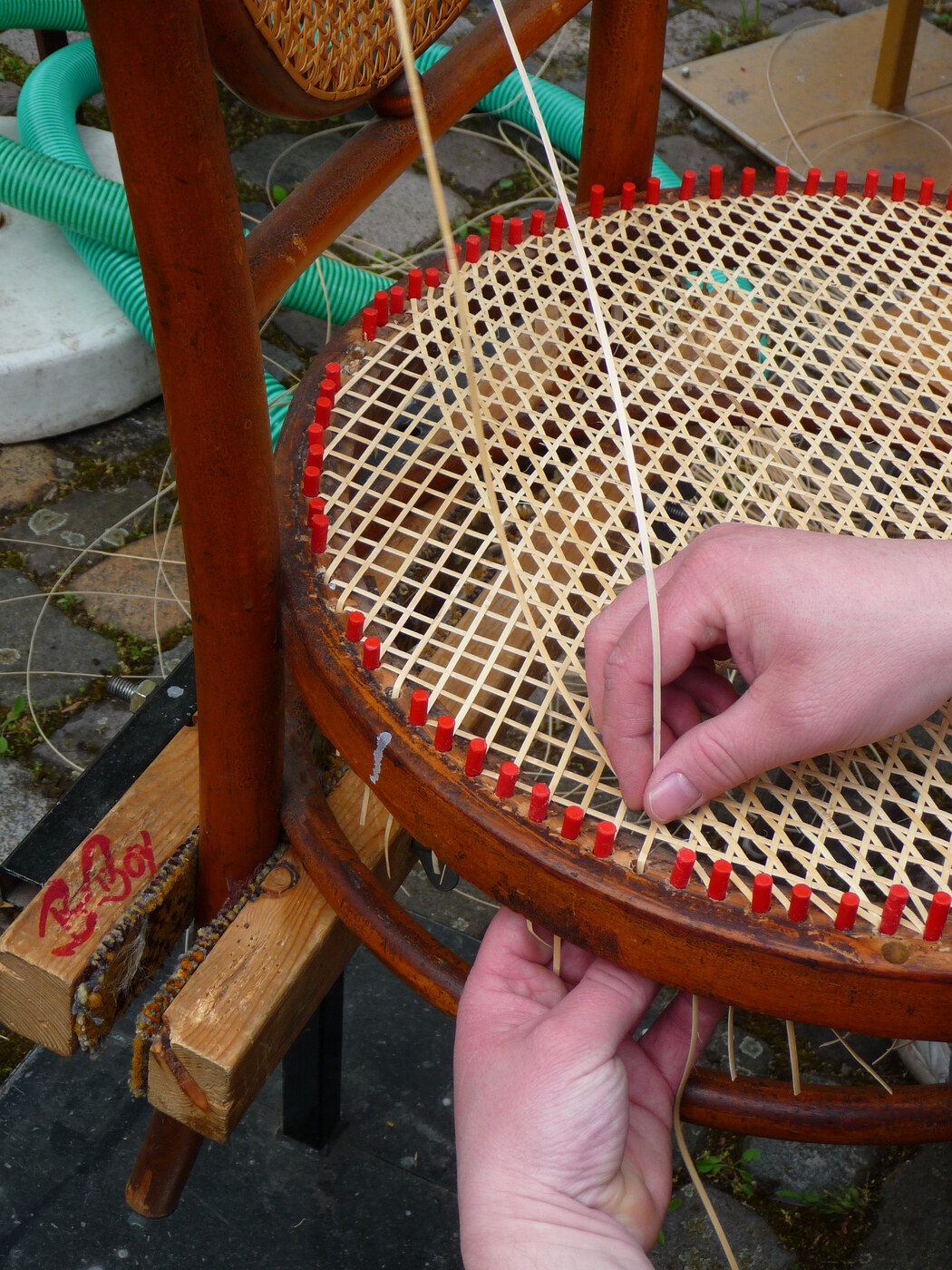
Peeled rattan cane is primarily used for its decorative appeal in furniture and decor. The outer layer of the rattan stem is peeled and processed into thin strips, which are then woven into intricate patterns. This material is favoured for creating rattan wall decor, basketry, and chair seats. Its flexibility allows for detailed craftsmanship, making it a popular choice among artisan rattan products. While aesthetically pleasing, peeled rattan cane requires regular maintenance to prevent wear and tear, especially in high-use areas. Buyers should consider this when sourcing rattan decor wholesale, ensuring that the products are treated for durability.
Rattan Core: Structural Integrity
The core of the rattan is a solid material used extensively in furniture making. Known for its strength and resilience, rattan core is essential for creating robust furniture frames. As a rattan core supplier, we ensure that the material is sourced ethically and processed to meet international quality standards. This material is ideal for producing chairs, tables, and structural components of rattan furniture. Buyers should verify the quality grades and certifications when purchasing rattan core to ensure it meets their specific needs. For detailed specifications and compliance information, consult the Ministry of Trade of the Republic of Indonesia.
Rattan Poles: Versatility in Design
Rattan poles, the unpeeled stems of the rattan plant, are used in both structural and decorative applications. These poles retain the natural look of rattan, adding a rustic charm to furniture and decor pieces. As a rattan pole export option, they are utilised in making everything from furniture frames to decorative columns. The poles can be bent and shaped, offering versatility in design. However, they require proper treatment to prevent moisture damage and ensure durability. Buyers interested in using rattan poles should confirm the treatment processes and storage conditions to maintain quality.
Rattan Rope: Decorative and Functional Uses
Rattan rope is crafted from thin strands of rattan, twisted together to form a strong and flexible material. This rope is used in various applications, from decorative bindings on furniture to functional elements in crafts and decor. As a rattan rope supplier, we provide high-quality options suitable for both indoor and outdoor use. The rope’s natural texture adds an organic touch to designs, making it popular in boho and coastal decor themes. Buyers should assess the rope’s tensile strength and treatment to ensure it meets their project requirements.
Maintaining Rattan Products: Best Practices
Proper maintenance of rattan products is crucial to preserve their beauty and functionality. For natural rattan, regular dusting and occasional cleaning with a damp cloth are recommended to prevent dirt accumulation. Synthetic rattan requires less maintenance but should be cleaned periodically to maintain its appearance. It is important to avoid excessive moisture exposure for both types to prevent damage. Buyers should inquire about specific maintenance recommendations when purchasing rattan materials to ensure longevity. For comprehensive maintenance guides, visit our guides section.
Environmental Impact and Sustainability
The cultivation and use of rattan have significant environmental benefits. Rattan grows much faster than trees, making it a more sustainable resource. It helps prevent deforestation by providing an alternative material for furniture and decor. Additionally, the rattan industry supports the livelihoods of many local communities in Indonesia, providing jobs and preserving traditional crafting techniques. However, sustainable practices must be adhered to in order to minimize environmental impact. This includes responsible harvesting, ensuring that only mature rattan is collected, and replanting to maintain the ecosystem. Ethical sourcing is a key focus for us, and we are committed to maintaining transparency in our supply chain to promote sustainable development.
Innovations in Rattan Design
The world of rattan design is continually evolving, with innovative techniques and styles emerging to meet modern tastes. Designers are experimenting with new weaving patterns and combining rattan with other materials like metal and glass to create contemporary pieces that appeal to a wide audience. The use of color is also becoming more prevalent, with dyed rattan offering vibrant options for those looking to make a statement. Advances in treatment processes have enhanced the durability of rattan, making it suitable for more diverse applications. As a leading supplier, we stay abreast of these trends to provide our clients with the latest in rattan design, ensuring that their products stand out in the competitive market.
Interested in exploring our rattan materials for your next project? Reach out to us for detailed product specifications and sourcing options. We invite you to contact us for tailored solutions that meet your needs in the ever-evolving market of rattan furniture and decor.
Hybrid Rattan and Steel Frame Trends 2027
Hybrid Rattan and Steel Frame Trends 2027
By 2027, hybrid rattan and steel frame furniture trends are expected to dominate the market, particularly for sectional sofas designed for both indoor and outdoor use. This trend reflects a growing preference for versatile and durable furniture that can withstand various environmental conditions. Bali suppliers are likely to capitalize on this demand by offering innovative designs that combine the natural aesthetic of rattan with the strength and stability of steel frames. The use of synthetic rattan, recognized for its improved UV resistance, is anticipated to capture a larger share of outdoor furniture exports from hubs like Bali. These developments are expected to enhance the appeal of Bali rattan furniture to a global audience, positioning it as a stylish and practical choice for contemporary living spaces. See our guide: Wholesale Rattan Decor Supplier. Customizing Rattan Furniture for Your Space
Keep Reading
Uncategorized
Large-Scale Hospitality Procurement of Bali Rattan for Resorts in 2027
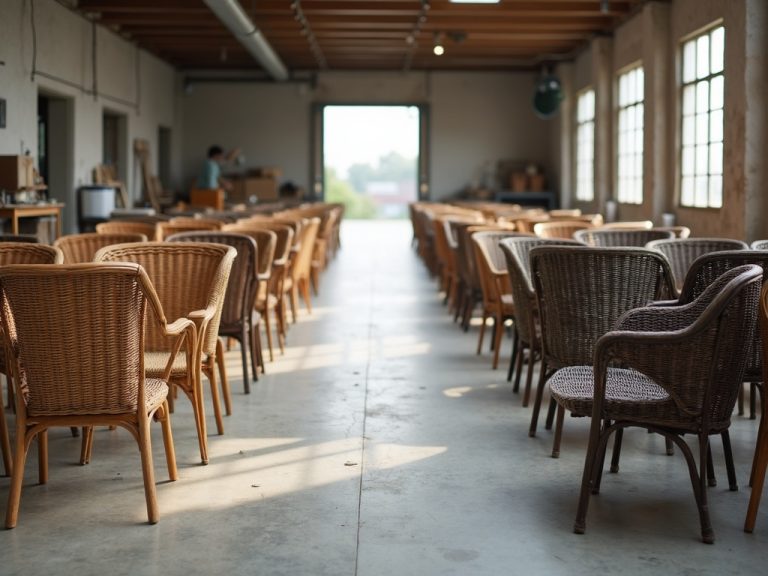
In 2027, large-scale hospitality procurement of Bali rattan for resorts focuses on sustainable sourcing, custom designs, and efficient logistics, aligning…
Uncategorized
Hybrid Rattan and Steel Frame Sectional Sofas for Indoor and Outdoor Use in
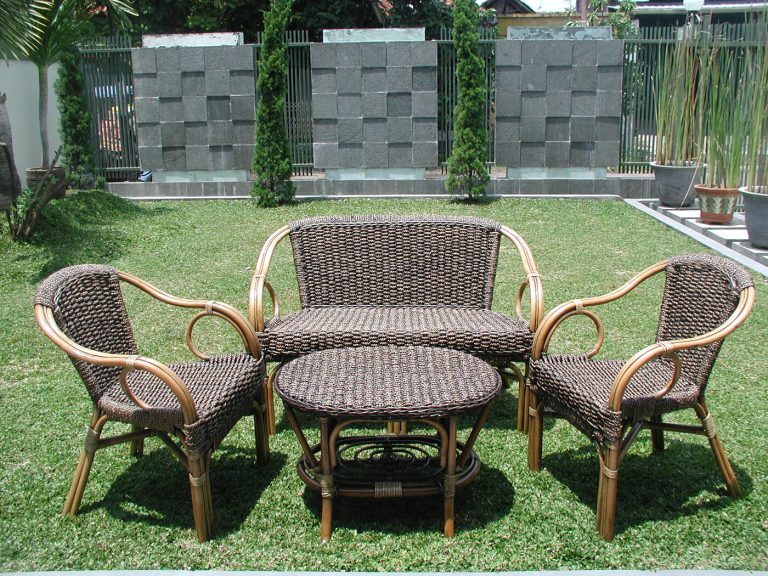
Hybrid rattan and steel frame sectional sofas are a major trend for both indoor and outdoor settings in 2027. This…
Uncategorized
Bali Rattan Custom Design Trends for Japandi and Boho Luxury Villas in 2027
Bali Rattan Supplier identifies emerging trends in custom rattan design for Japandi and Boho luxury villas in 2027, focusing on…