
Synthetic Rattan Outdoor Furniture: Bali UV Resistant Trends for 2027
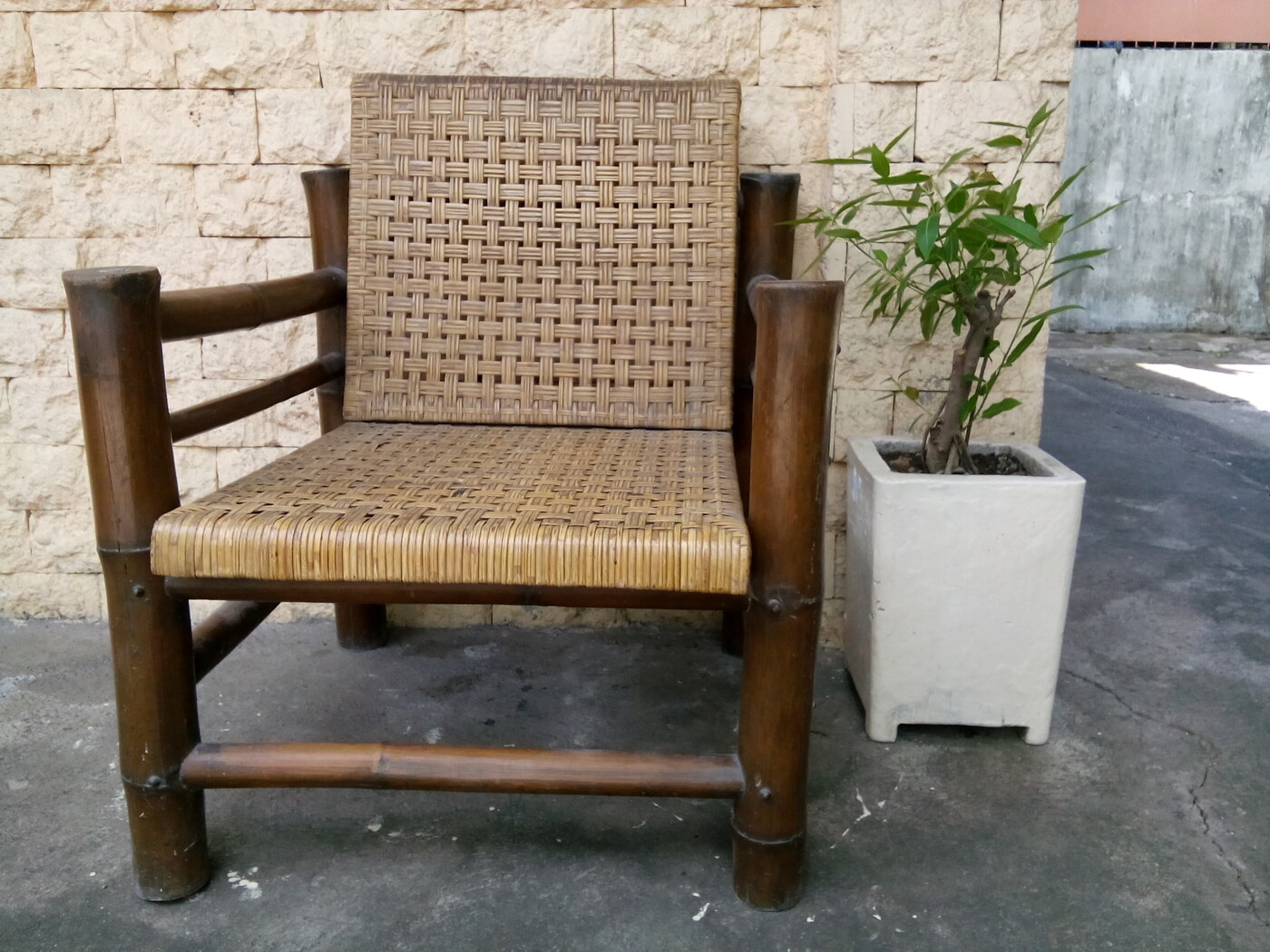
In 2027, the demand for synthetic rattan outdoor furniture from Bali is evolving rapidly. Buyers are increasingly prioritising UV resistance and sustainability, reflecting a broader shift towards eco-conscious design. This trend is particularly significant for businesses in the hospitality sector, such as resorts and cafes, where outdoor furniture must withstand harsh sunlight and frequent use. As a discerning buyer, you need reliable suppliers who can offer both quality and innovation. At Bali Rattan Supplier, we’re observing these changes first-hand, and we’re here to guide you through the latest trends and options.
Synthetic Rattan: A Durable Choice
Synthetic rattan is gaining traction as a preferred material for outdoor furniture, particularly in Bali’s vibrant export market. This material is renowned for its durability, resisting the wear and tear of outdoor conditions better than many natural alternatives. Unlike natural rattan, synthetic versions are crafted from high-quality polyethylene, which can withstand UV rays and moisture. This makes it an ideal choice for tropical climates where sunlight and humidity are constant challenges. In 2027, this trend is expected to grow, with more buyers seeking synthetic options for their outdoor spaces. The choice of synthetic over natural rattan also aligns with the global shift towards sustainable materials, as it offers a lower environmental impact over its lifetime. For those sourcing in bulk, synthetic rattan provides a cost-effective solution without compromising on quality. To learn more about the specific options and styles available, explore our villa furniture offerings.
Trends in UV Resistance for 2027
UV resistance is a critical feature for outdoor furniture, especially in sunny locales like Bali. As we look towards 2027, innovations in UV protection are at the forefront of synthetic rattan design. Manufacturers are integrating advanced UV stabilisers into the material to enhance its lifespan and maintain its appearance. This results in furniture that not only lasts longer but also retains its vibrant colours, avoiding the fading often seen in outdoor settings. The industry is also exploring coatings that provide additional layers of protection against UV rays. For businesses, this means investing in furniture that remains attractive and functional over time, reducing the need for frequent replacements. As a buyer, understanding these advancements can help you make informed decisions about your purchases. For official updates on materials and manufacturing standards, visit the Indonesian Ministry of Trade.
Sustainability and Eco-Friendliness
Sustainability is more than a buzzword—it’s a necessity in today’s market. Bali’s rattan furniture suppliers are responding to this demand by focusing on eco-friendly practices. Synthetic rattan is often recyclable, and many manufacturers are adopting processes that reduce waste and energy consumption. In 2027, this commitment to sustainability will continue to shape the industry, with buyers increasingly prioritising products that align with their environmental values. The use of non-toxic materials and sustainable production techniques is becoming a standard expectation. For businesses, sourcing sustainable furniture not only meets consumer demands but also enhances brand reputation. To stay updated on sustainable practices, check resources like the Indonesia Tourism Board.
Design Innovations in Outdoor Furniture
Design is a crucial aspect of outdoor furniture, and 2027 promises exciting innovations. Synthetic rattan furniture is no longer limited to traditional styles. Designers are experimenting with new shapes, colours, and textures, offering a wide range of options to suit diverse tastes. Modular furniture, which allows for flexible configurations, is particularly popular, catering to both commercial and private spaces. Customisation is also on the rise, with buyers able to choose specific colours and finishes that match their brand or personal aesthetic. This trend provides an opportunity for businesses to create unique outdoor environments that stand out from competitors. As a buyer, staying informed about these design trends can help you select furniture that not only meets functional needs but also enhances your space’s visual appeal.
Challenges and Considerations
While synthetic rattan offers many benefits, there are also challenges to consider. One of the main concerns is ensuring the quality of the materials used. As a buyer, it’s crucial to verify the supplier’s reputation and the standards they adhere to. Additionally, while synthetic rattan is generally more durable than natural rattan, the quality can vary significantly between manufacturers. Buyers should request samples and inquire about the specific materials and processes used. Another consideration is the environmental impact of synthetic materials. While many suppliers are adopting sustainable practices, it’s important to confirm these claims through independent verification. Understanding these factors will help you make informed purchasing decisions that balance quality, cost, and sustainability.
Logistics and Export Considerations
Exporting rattan furniture from Indonesia, particularly from Bali, involves navigating a complex logistical landscape. Buyers must consider shipping costs, import tariffs, and compliance with international standards. In 2027, these challenges are expected to persist, but advancements in logistics technology are making it easier to manage. For instance, digital platforms are streamlining the documentation process, reducing the time and effort required. However, it’s essential to work with experienced logistics partners who understand the nuances of exporting from Indonesia. For comprehensive guidelines on exporting from Indonesia, refer to the official Indonesian Government portal.
Choosing the Right Supplier
Selecting a reliable supplier is crucial for businesses looking to import synthetic rattan furniture. Factors to consider include the supplier’s track record, quality assurance processes, and capacity to meet your specific needs. In 2027, the market is expected to be more competitive, with many suppliers vying for international clients. As a buyer, conducting thorough due diligence is essential. Request references, visit production facilities if possible, and review past client testimonials. This will help you establish a partnership that meets your quality and ethical standards. For those interested in exploring our offerings, visit our contact page to start a conversation with our team.
In conclusion, as you navigate the evolving landscape of synthetic rattan outdoor furniture in Bali, staying informed about trends and developments is key. Whether you’re looking for UV-resistant options, sustainable solutions, or innovative designs, aligning with the right supplier can make all the difference. Reach out to us today to discuss your needs and discover how we can support your business goals.
Related guide: Advantages of Indonesian Rattan Products
Keep Reading
Uncategorized
Large-Scale Hospitality Procurement of Bali Rattan for Resorts in 2027
In 2027, large-scale hospitality procurement of Bali rattan for resorts focuses on sustainable sourcing, custom designs, and efficient logistics, aligning…
Uncategorized
Hybrid Rattan and Steel Frame Sectional Sofas for Indoor and Outdoor Use in
Hybrid rattan and steel frame sectional sofas are a major trend for both indoor and outdoor settings in 2027. This…
Uncategorized
Bali Rattan Custom Design Trends for Japandi and Boho Luxury Villas in 2027
Bali Rattan Supplier identifies emerging trends in custom rattan design for Japandi and Boho luxury villas in 2027, focusing on…