As a senior specialist in the rattan industry, I know firsthand the importance of sustainable practices in rattan export. For buyers looking for reliable Bali rattan suppliers, understanding these practices is essential. Sustainability not only enhances product appeal but also supports local economies and the environment. This guide delves into the specifics of sustainable rattan export, offering a comprehensive view for discerning buyers.
Understanding Sustainable Rattan Harvesting
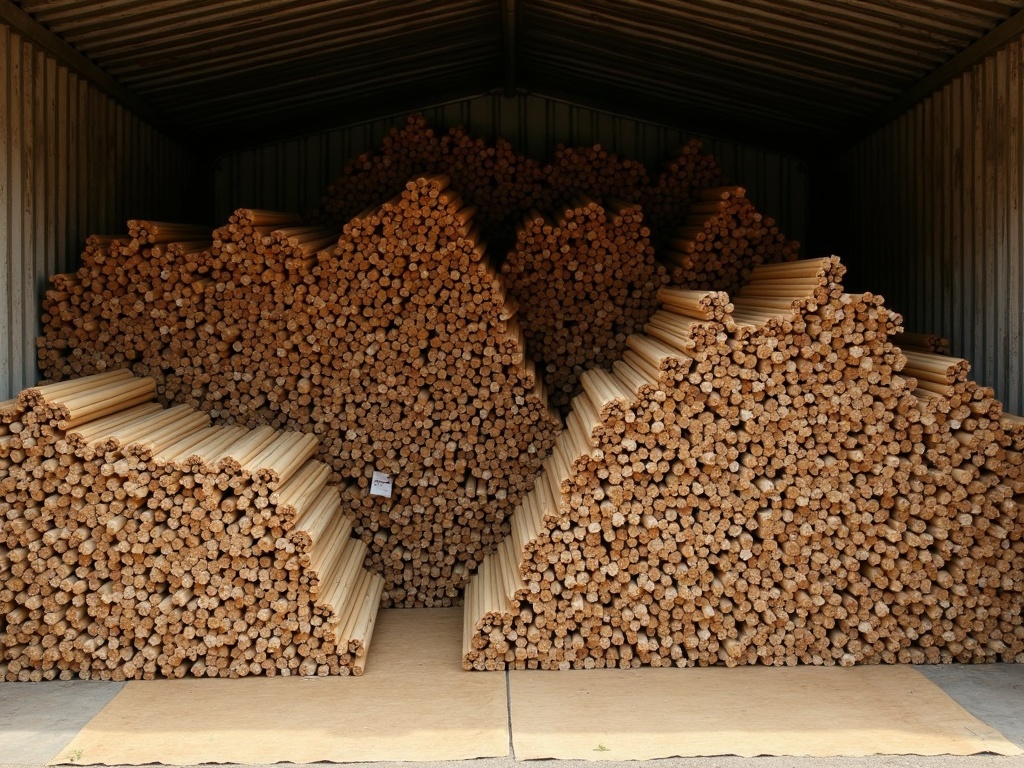
Sustainable rattan harvesting focuses on maintaining the ecological balance and ensuring the longevity of rattan resources. The process begins with selecting mature rattan canes, typically those over three years old. This practice prevents overharvesting and allows younger plants to mature. Harvesters use traditional methods that minimize damage to surrounding flora. The Indonesian government regulates these practices, ensuring compliance through permits and monitoring. Buyers should verify their suppliers adhere to these regulations. For more on Indonesia’s forestry policies, visit the official Indonesian government website. Sustainable harvesting not only preserves biodiversity but also supports local communities who rely on rattan as a livelihood. By choosing suppliers committed to sustainable practices, buyers contribute to the preservation of tropical ecosystems while ensuring a steady supply of high-quality rattan.
Benefits to Local Communities
The sustainable rattan industry significantly impacts local communities, providing jobs and supporting traditional lifestyles. In regions like Flores and Bali, rattan harvesting and processing are vital economic activities. By employing local workers, rattan suppliers help reduce urban migration and maintain cultural heritage. Fair trade practices ensure that workers receive fair wages and safe working conditions. This economic stability empowers communities, allowing them to invest in education and healthcare. Buyers interested in ethical sourcing should seek suppliers with transparent operations and fair trade certifications, such as those provided by the World Fair Trade Organization. Supporting these practices not only enhances brand reputation but also strengthens community ties, promoting long-term sustainability in the industry.
Eco-Friendly Production Methods
Eco-friendly production is a cornerstone of sustainable rattan export. It involves using natural dyes, water-based finishes, and energy-efficient processes. Suppliers like those in Bali often use solar energy and rainwater harvesting to reduce their environmental footprint. These methods not only lower emissions but also produce safer, non-toxic products. Buyers should inquire about production methods to ensure they align with eco-friendly standards. For more insights on sustainable production, explore our eco-friendly furniture guide. Implementing these practices can also result in cost savings, as they reduce waste and improve efficiency. By choosing eco-conscious suppliers, buyers can offer products that appeal to environmentally-aware consumers, enhancing marketability and customer loyalty.
Quality Assurance in Sustainable Rattan Products
Quality assurance is crucial in sustainable rattan export, ensuring products meet international standards while maintaining eco-friendly credentials. Suppliers achieve this through rigorous testing and certification processes. For instance, rattan furniture must withstand various climate conditions, making durability a key focus. Suppliers often offer warranties on their products, reflecting confidence in quality. Buyers should request samples and certification details to verify quality. The Indonesian Ministry of Trade provides guidelines on export quality, which can be accessed here. By prioritizing quality, suppliers can reduce returns and enhance customer satisfaction, ultimately benefiting both the buyer and the supplier.
Logistics and Export Considerations
Navigating the logistics of rattan export requires careful planning. Buyers need to consider shipping methods, customs regulations, and transit times. Suppliers typically offer various Incoterms, such as FOB and CIF, to accommodate different logistical needs. It’s crucial to confirm shipping details and costs with suppliers, as these can vary based on destination and order size. Suppliers in Indonesia often handle export permits and phytosanitary requirements, simplifying the process for buyers. For comprehensive export guidelines, consult the Indonesian government’s trade portal. Efficient logistics ensure timely delivery and reduce the risk of damage, providing peace of mind for buyers.
Market Opportunities for Sustainable Rattan
The demand for sustainable rattan products is growing, driven by consumer awareness and regulatory pressures. Markets in the EU and US are particularly receptive to eco-friendly products, with buyers seeking assurance of sustainability credentials. Suppliers can leverage this trend by highlighting their sustainable practices and certifications. Buyers should explore suppliers’ portfolios, focusing on innovative products like rattan furniture and decor that meet market demands. Engaging with suppliers committed to sustainability can open doors to lucrative markets, positioning buyers as leaders in eco-friendly retail. For more market insights, our guides offer detailed analysis and strategies.
Challenges and Future Directions
While the sustainable rattan export industry presents numerous opportunities, it also faces challenges. Supply chain disruptions, climate change, and regulatory shifts can impact operations. Suppliers must remain adaptable, investing in research and development to mitigate risks. Buyers should engage in open dialogue with suppliers to navigate these challenges collaboratively. The future of sustainable rattan export lies in innovation, with potential developments in biodegradable materials and smart technology integration. By staying informed and proactive, both suppliers and buyers can thrive in this evolving industry, ensuring a sustainable and prosperous future for all stakeholders.
Choosing the Right Supplier
Selecting the right supplier is crucial for buyers aiming to succeed in the sustainable rattan market. A thorough evaluation process should include assessing the supplier’s track record in sustainability, production capabilities, and compliance with international standards. Buyers should also consider visiting suppliers’ facilities to gain firsthand insights into their operations and commitment to ethical practices. Building a strong relationship with a supplier can lead to better communication, more favorable terms, and a deeper understanding of mutual goals. Additionally, engaging with suppliers who are actively involved in community development initiatives can reinforce a buyer’s commitment to social responsibility. By choosing the right partners, buyers not only ensure the quality and sustainability of their products but also enhance their brand’s reputation in the global market.
Innovations in Rattan Design
The rattan industry is evolving with innovative designs that cater to modern tastes while retaining traditional craftsmanship. Designers are exploring new forms and functions, integrating rattan with other sustainable materials like bamboo and recycled wood. This fusion results in unique products that appeal to a broader audience, blending contemporary aesthetics with eco-friendly principles. Innovations also extend to product functionality, with modular and multi-purpose designs gaining popularity in urban settings. Buyers should seek suppliers who invest in design innovation, as this can lead to distinctive product offerings that stand out in competitive markets. Keeping abreast of design trends and collaborating with creative designers can provide buyers with a competitive edge, ensuring their product lines remain fresh and appealing to consumers.
Understanding the Environmental Impact
The environmental impact of rattan production is a critical consideration for buyers committed to sustainability. While rattan is a renewable resource, its cultivation and processing can affect local ecosystems if not managed responsibly. Buyers should assess the entire supply chain, from raw material sourcing to final product delivery, to identify areas where environmental impact can be minimized. This includes evaluating the carbon footprint of transportation and the use of sustainable packaging materials. Collaborating with suppliers who prioritize environmental stewardship can help buyers mitigate negative impacts and promote a positive environmental legacy. By understanding and addressing the environmental aspects of rattan production, buyers can make informed decisions that align with their sustainability goals and resonate with environmentally conscious consumers.
Interested in exploring sustainable rattan export options? Contact our team for expert guidance and connect with leading suppliers committed to eco-friendly practices. Visit our contact page to start your journey towards ethical sourcing.
Keep Reading
Uncategorized
Large-Scale Hospitality Procurement of Bali Rattan for Resorts in 2027
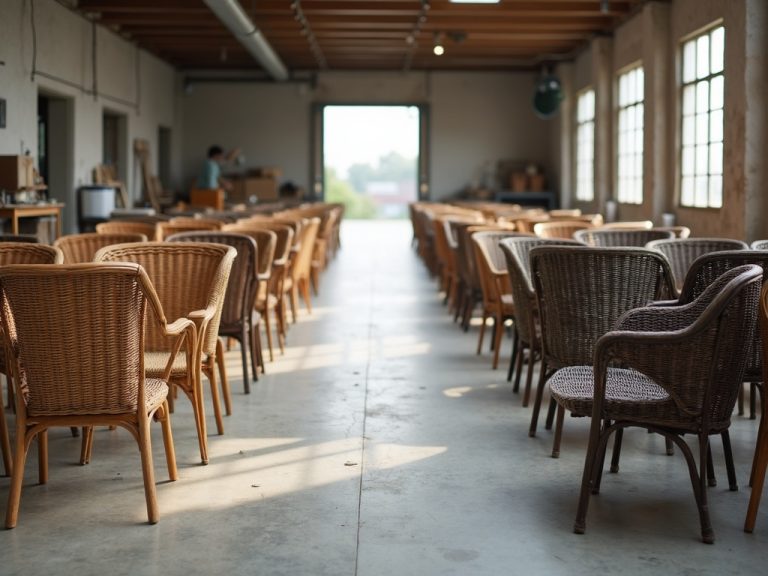
In 2027, large-scale hospitality procurement of Bali rattan for resorts focuses on sustainable sourcing, custom designs, and efficient logistics, aligning…
Uncategorized
Hybrid Rattan and Steel Frame Sectional Sofas for Indoor and Outdoor Use in
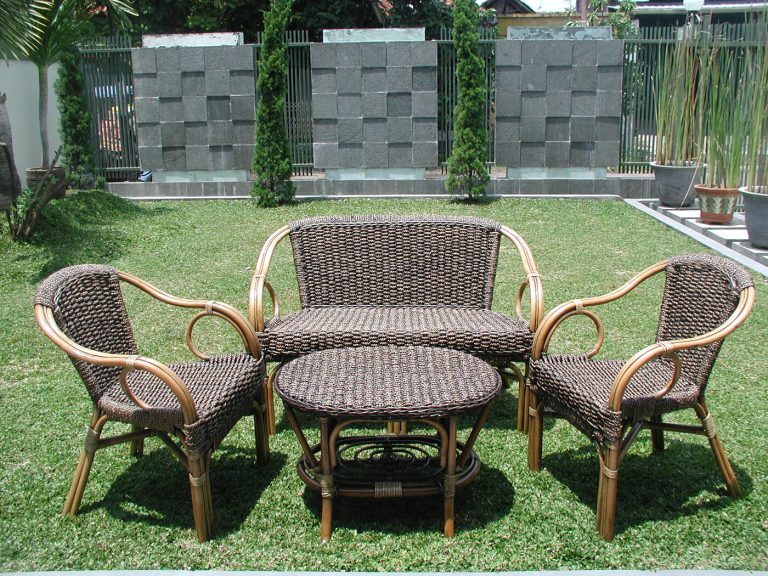
Hybrid rattan and steel frame sectional sofas are a major trend for both indoor and outdoor settings in 2027. This…
Uncategorized
Bali Rattan Custom Design Trends for Japandi and Boho Luxury Villas in 2027
Bali Rattan Supplier identifies emerging trends in custom rattan design for Japandi and Boho luxury villas in 2027, focusing on…