
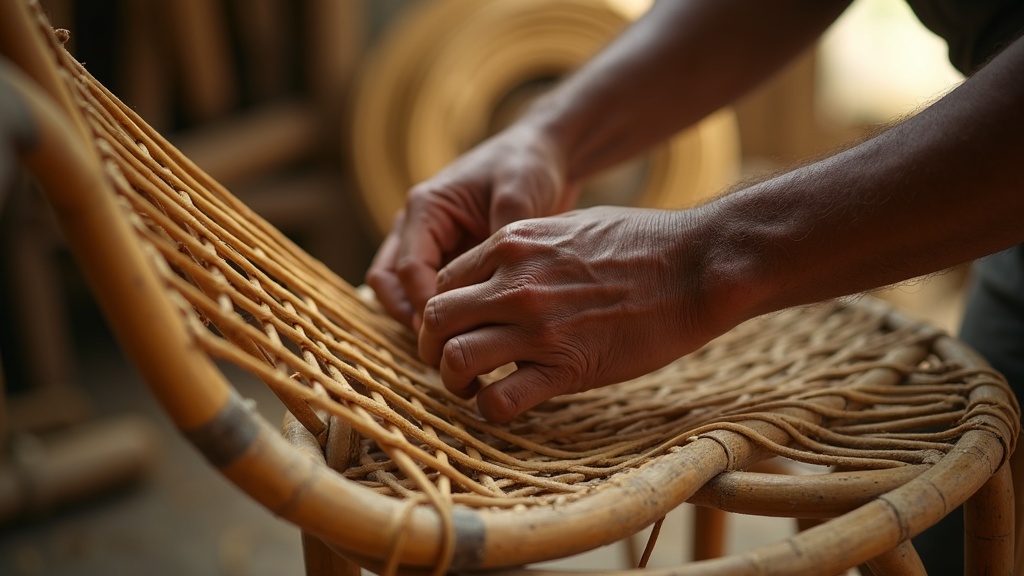
Rattan furniture, a staple of tropical design, requires specific maintenance to keep its allure and durability. As a seasoned rattan supplier and exporter, we understand the nuances of rattan care. Our expertise lies in guiding buyers through the best practices for maintaining both natural and synthetic rattan pieces. This knowledge is vital for anyone sourcing from a Bali rattan supplier or engaging in outdoor rattan furniture projects.
Understanding Rattan Material Types
Rattan furniture is crafted from natural rattan, synthetic rattan, or a combination of both. Each type requires different maintenance strategies. Natural rattan is a vine-like plant grown in tropical regions, primarily in Indonesia, making it a sustainable choice for eco-friendly furniture. It is lightweight yet strong, ideal for indoor settings. Synthetic rattan, often made from polyethylene, is designed to withstand outdoor elements, offering UV resistance and durability.
Natural rattan needs a delicate approach. Avoid exposure to direct sunlight or rain to prevent fading and deterioration. Synthetic rattan, on the other hand, can handle harsher conditions but still benefits from regular cleaning to prevent dirt build-up. Understanding these differences is crucial for effective maintenance and longevity of your rattan furniture.
Cleaning Techniques for Rattan Furniture
Regular cleaning is essential to maintain the look and integrity of rattan furniture. For natural rattan, use a soft cloth or a vacuum with a brush attachment to remove dust and debris. Avoid using excess water as it can weaken the fibres. Instead, use a damp cloth with mild soap for tougher stains, ensuring you dry the furniture thoroughly afterwards.
Synthetic rattan is more forgiving. A gentle scrub with a non-abrasive brush and soapy water is effective for cleaning. Rinse with a hose and allow it to dry in an open area. Avoid harsh chemicals that can damage the finish. Regular attention to cleaning not only enhances the appearance but also extends the lifespan of your furniture, making it a wise choice for Indonesia investments in quality home decor.
Protective Measures Against Weather
Weather conditions significantly affect the longevity of rattan furniture. Natural rattan should be kept indoors or in covered areas to avoid direct exposure to sun and rain. If used outdoors, consider protective measures like furniture covers or placing them under a patio or pergola.
Synthetic rattan, engineered for outdoor use, still benefits from protection. UV rays can eventually cause fading, and rain can lead to mould growth. Protective covers or moving the furniture indoors during extreme weather conditions can prevent damage. These precautions are particularly relevant for buyers sourcing from a Flores rattan supplier, where tropical climates are prevalent.
Applying Protective Finishes
Protective finishes can enhance the durability of natural rattan furniture. Varnishes and lacquers provide a barrier against moisture and pests. Apply a thin coat every few years, following the grain of the rattan to maintain its natural look. Ensure the furniture is clean and dry before application.
Synthetic rattan does not require such treatments, but occasional application of UV protectant sprays can help maintain its colour. These finishes are particularly beneficial for pieces used in high-traffic or commercial settings, like hotels or cafes, where wear and tear are more frequent. Investing in these protective measures ensures your furniture remains a valuable asset over time.
Repairing and Restoring Rattan Furniture
Over time, rattan furniture may show signs of wear. Natural rattan can develop cracks or splits, while synthetic rattan might unravel. Simple repairs can restore its beauty. For natural rattan, apply boiled linseed oil to soften and rehydrate the fibres, reducing the appearance of cracks. Rebinding loose strands with rattan peel or cane is also effective.
Synthetic rattan repairs involve replacing or weaving new strands into the existing structure. It’s advisable to consult a professional for extensive repairs. Regular maintenance and timely repairs can keep your furniture looking new and extend its usability, a priority for rattan exporters in Indonesia catering to international markets.
Choosing the Right Accessories and Placement
Proper placement and use of accessories can enhance the lifespan of rattan furniture. Use cushions with removable covers for easy cleaning and to protect the rattan from direct contact with moisture or dirt. Furniture placement is also crucial; avoid areas with direct sun or heavy rain exposure, especially for natural rattan.
Consider the environment where the furniture will be used. Indoor rattan furniture thrives in controlled climates, while outdoor pieces benefit from shaded or covered areas. Strategically placing your furniture according to its material type ensures longevity and aesthetic appeal, aligning with the needs of tropical interior decor projects.
Regular Inspections and Maintenance Schedule
Establishing a maintenance schedule is vital for the longevity of rattan furniture. Regular inspections can identify issues early, preventing costly repairs. Check for signs of wear, such as loose strands or damaged finish, and address them promptly.
Monthly cleaning, bi-annual protective finish applications, and annual deep cleaning are recommended. This routine ensures your furniture remains in optimal condition, providing lasting value and functionality. Consistent maintenance practices are essential for anyone involved in rattan furniture wholesale or retail, ensuring quality and customer satisfaction.
Innovations in Rattan Design and Manufacturing
Recent advancements in rattan design and manufacturing have expanded the possibilities for this versatile material. With improved techniques, rattan furniture now features intricate weaves and modern styles that cater to diverse tastes. Technological advancements have also increased the strength and flexibility of synthetic rattan, allowing for more complex and durable designs.
Manufacturers are increasingly prioritizing sustainability by adopting eco-friendly practices. This includes using water-based finishes and sourcing rattan from certified plantations. These innovations not only enhance the aesthetic appeal of rattan furniture but also its environmental impact. For those interested in sustainable and stylish decor, these developments offer exciting opportunities.
Global Trends and Market Demand for Rattan Furniture
The global demand for rattan furniture continues to grow, driven by its aesthetic appeal and sustainability. Consumers worldwide appreciate its natural look and versatility in various settings, from modern urban apartments to traditional homes. The trend towards eco-friendly products has further fueled interest in rattan, as it is a renewable resource with minimal environmental impact.
As markets expand, rattan furniture is increasingly seen in commercial spaces such as hotels, restaurants, and offices. These environments benefit from rattan’s durability and style, which can enhance ambiance and customer experience. Understanding these trends is crucial for suppliers and retailers looking to capitalize on the growing appetite for quality rattan products.
Maintaining your rattan furniture is a straightforward process when armed with the right knowledge and practices. As experts in the field, we encourage you to explore our range of products and services. For more information or to discuss your specific needs, contact us today to learn how we can assist with your rattan furniture projects.
Keep Reading
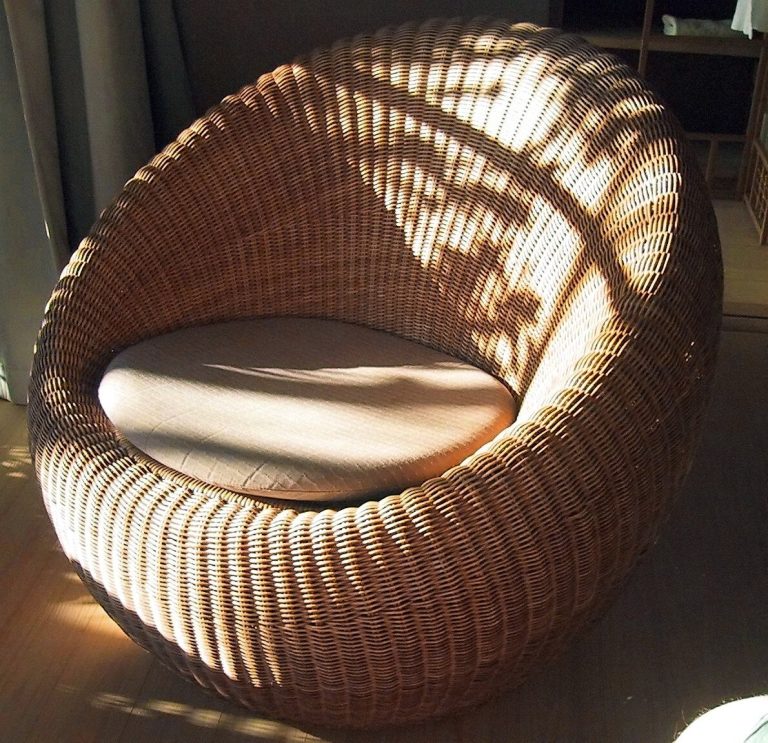
Rattan Furniture
Rattan Furniture for Villas
“Rattan villa furniture offers a luxurious blend of natural aesthetics and durability, making it an ideal choice for elegant villa…
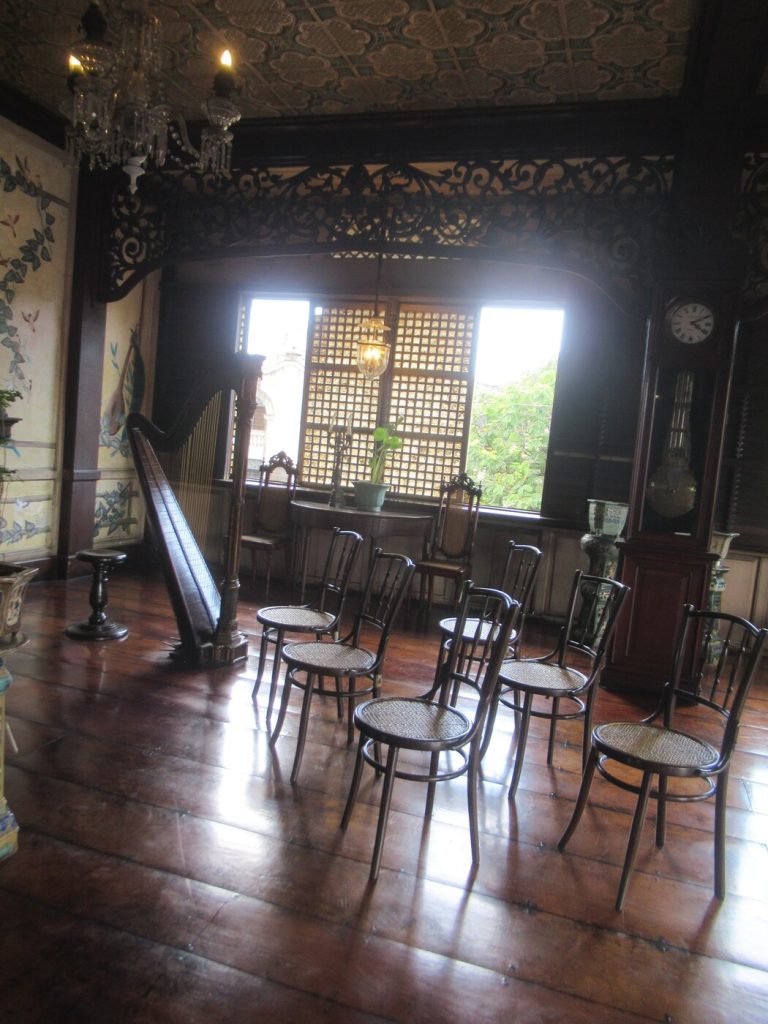
Rattan Furniture
Rattan Furniture for Resort Settings
Rattan resort furniture transforms any resort setting into a sanctuary of relaxation and luxury. Its natural textures and versatile designs…
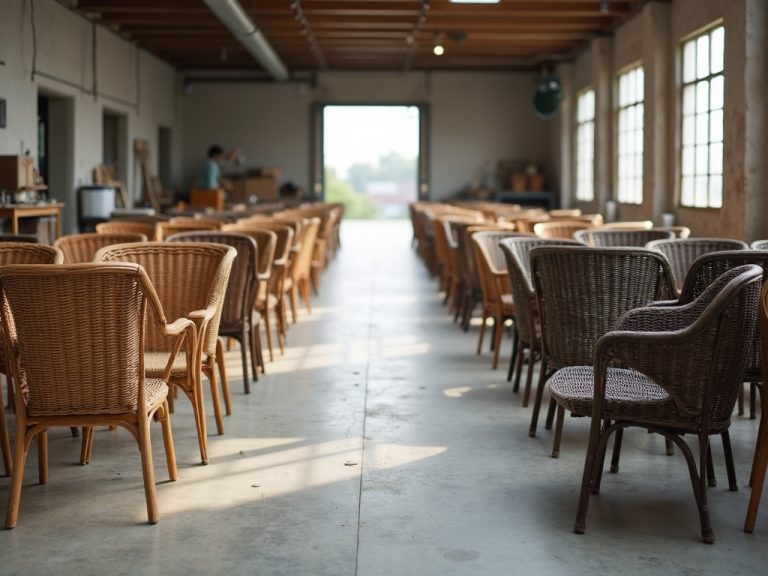
Rattan Furniture
Rattan Furniture Solutions for Hotels
Rattan hotel furniture provides a unique blend of comfort and style, ideal for upgrading hotel interiors. As a versatile material,…