Logistics Routes for Rattan Export from Bali via Surabaya and Singapore
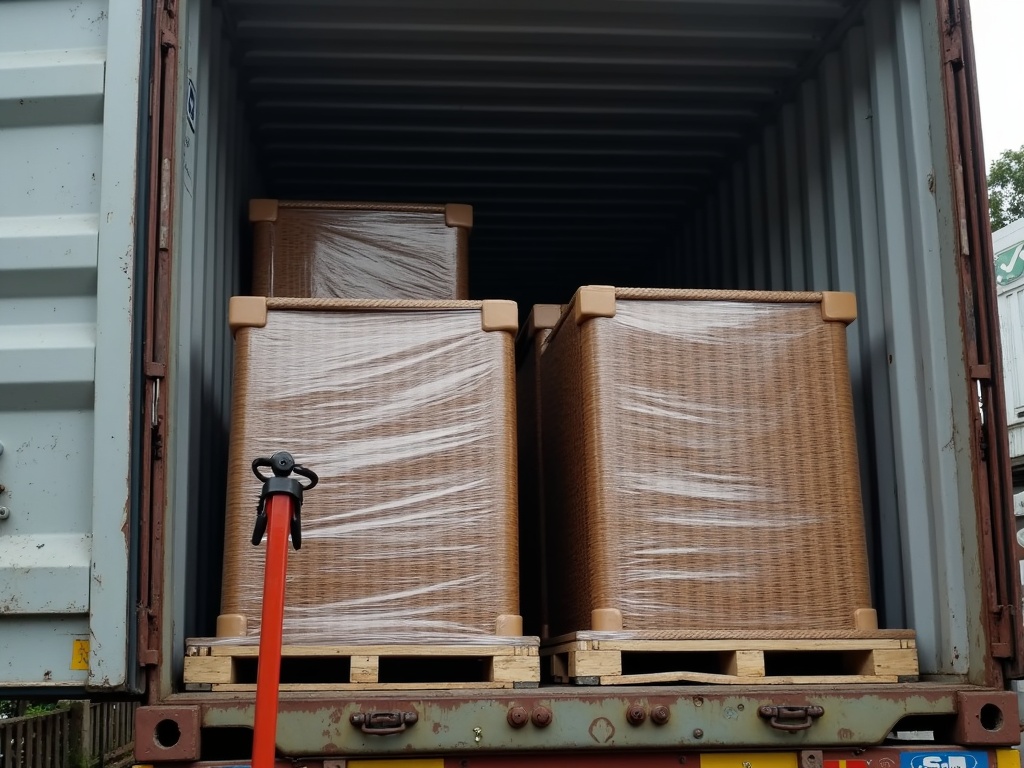
The logistics of exporting rattan from Bali involve a complex network of routes that ensure timely and efficient delivery to international markets. For businesses looking to source quality rattan products, understanding these logistics routes is crucial. Bali, renowned for its handcrafted rattan goods, utilises the Port of Surabaya as a critical juncture before reaching global hubs like Singapore. This strategic route not only optimises costs but also minimises transit times, making it ideal for businesses seeking to maintain a competitive edge in the rattan market.
Understanding the Bali to Surabaya Route
The journey of rattan begins in Bali, a key area for sourcing high-quality natural and synthetic rattan materials. From Bali, goods are transported via road to Surabaya, Indonesia’s second-largest city. Surabaya serves as a major logistical hub due to its advanced port facilities and strategic location. The port, known for handling vast quantities of cargo, facilitates the efficient loading of containers bound for international destinations. The choice of Surabaya is driven by its ability to accommodate large shipments, thereby reducing potential delays. This route leverages Indonesia’s extensive infrastructure to provide a reliable means of transport, crucial for maintaining the integrity of rattan products throughout the supply chain. Businesses can rely on this route for its consistency and capacity to handle bulk orders.
The Role of Singapore in Global Rattan Distribution
Singapore’s role in the logistics route is pivotal. As a major global shipping hub, it offers unparalleled connectivity to markets in Europe, the US, and beyond. Once rattan products arrive from Surabaya, they are swiftly transhipped to various international destinations. Singapore’s port facilities are renowned for their efficiency and advanced technology, which ensures minimal handling time and reduced risk of damage. This makes Singapore a preferred choice for businesses aiming for quick turnaround times. Moreover, Singapore’s strategic location in Southeast Asia allows it to serve as an ideal gateway for rattan exports, enhancing the supplier’s ability to meet international demand promptly. The seamless integration of Singapore in this logistics route underscores its significance in the global trade ecosystem.
Current Trends in Rattan Export Logistics
The logistics landscape for rattan exports is continuously evolving, with emerging trends focusing on sustainability and efficiency. Businesses are increasingly prioritising eco-friendly practices in response to global demand for sustainable products. This includes using recyclable packaging and optimising routes to reduce carbon footprints. Additionally, the integration of digital platforms for tracking shipments has become a standard practice, offering real-time updates and improving transparency in the supply chain. The adoption of these technologies is driven by the need to enhance customer satisfaction and streamline operations. As the market for rattan products grows, these trends are expected to shape the future of logistics routes, ensuring they remain competitive and responsive to market needs.
Challenges in the Rattan Export Supply Chain
Despite the robust logistics routes, exporters face several challenges. The primary concern is the fluctuating demand for rattan products, which can affect shipping schedules and inventory management. Additionally, compliance with international trade regulations, including customs and phytosanitary requirements, poses a significant challenge. Exporters must navigate these regulations to avoid delays and ensure smooth transit. Another challenge is the potential impact of geopolitical tensions on trade routes, which can disrupt supply chains and increase costs. Businesses must remain agile, adapting to these challenges by diversifying their logistics strategies and exploring alternative routes to mitigate risks.
Quality Control in Rattan Export
Ensuring the quality of rattan products is paramount in the export process. This involves rigorous quality checks at various stages of production and logistics. From the selection of raw materials to the final inspection before shipment, maintaining high standards is essential to meet international quality benchmarks. Exporters often work closely with local artisans to ensure that the craftsmanship aligns with global expectations. Additionally, implementing standardised quality control measures helps in minimising defects and enhancing customer satisfaction. This focus on quality not only strengthens the brand reputation but also fosters long-term relationships with buyers.
Customs and Compliance Considerations
Navigating customs regulations is a critical aspect of the rattan export process. Exporters must ensure compliance with both Indonesian export laws and the import regulations of the destination country. This includes obtaining the necessary permits and adhering to phytosanitary standards to prevent the spread of pests. Understanding these requirements is crucial for avoiding delays and ensuring a smooth export process. Exporters often collaborate with customs brokers to streamline documentation and facilitate quicker clearance. This proactive approach to compliance is essential for maintaining the efficiency of logistics routes and ensuring timely delivery of products.
Leveraging Technology for Efficient Logistics
The integration of technology in logistics has revolutionised the rattan export industry. From automated inventory systems to advanced tracking solutions, technology plays a critical role in enhancing operational efficiency. Exporters are increasingly adopting digital platforms to manage logistics, enabling real-time tracking and improved communication with stakeholders. These technologies provide valuable insights into supply chain performance, allowing businesses to make informed decisions and optimise their logistics strategies. As the industry evolves, the use of technology is expected to become even more integral to the success of rattan export operations.
Future Prospects for Rattan Exports
The future of rattan exports from Bali via Surabaya and Singapore looks promising, with opportunities for growth driven by increasing demand for sustainable and artisanal products. As global markets continue to embrace eco-friendly furniture and decor, the demand for rattan products is expected to rise. Exporters are likely to explore new markets and expand their product offerings to meet this demand. Additionally, advancements in logistics technology and infrastructure development are set to further enhance the efficiency of export routes. Businesses can capitalise on these opportunities by staying abreast of market trends and continuously innovating their logistics strategies.
For more information on sustainable furniture options, visit our eco-friendly furniture page.
To explore how Bali Rattan Supplier can meet your specific needs in rattan export logistics, contact us today for a consultation.
Related guide: Eco-Friendly Decor Trends
Keep Reading
Uncategorized
Large-Scale Hospitality Procurement of Bali Rattan for Resorts in 2027
In 2027, large-scale hospitality procurement of Bali rattan for resorts focuses on sustainable sourcing, custom designs, and efficient logistics, aligning…

Uncategorized
Hybrid Rattan and Steel Frame Sectional Sofas for Indoor and Outdoor Use in
Hybrid rattan and steel frame sectional sofas are a major trend for both indoor and outdoor settings in 2027. This…

Uncategorized
Bali Rattan Custom Design Trends for Japandi and Boho Luxury Villas in 2027
Bali Rattan Supplier identifies emerging trends in custom rattan design for Japandi and Boho luxury villas in 2027, focusing on…